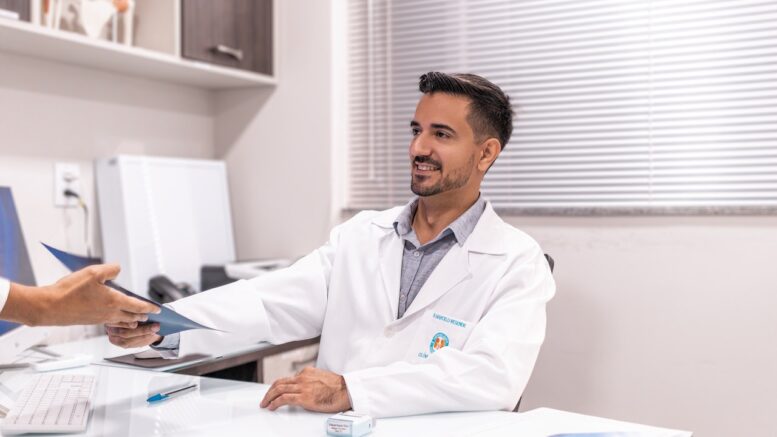
A hair transplant for a third of the price. A dental implant scheduled in weeks instead of months. A tummy tuck combined with a few days in Istanbul. These are the kinds of offers that have turned Turkey into one of the world’s busiest medical tourism destinations, with hundreds of thousands of international patients flying in every year for procedures ranging from cosmetic surgery to cardiology. But behind the attractive pricing sits a question that deserves a careful, unbiased answer rather than a marketing one: is it actually safe to have surgery in a foreign country, and what should change in how a patient prepares for the trip in 2026?
Why Turkey has become a leading medical tourism destination
Turkey’s rise as a medical tourism hub did not happen overnight. Over the past decade, the government has actively supported the development of private hospitals built specifically to international standards, many of which hold accreditation from the Joint Commission International (JCI), the same body that certifies leading hospitals in the United States and Europe. Combined with a large pool of surgeons trained in Western Europe and the U.S., and an exchange rate that keeps treatment costs significantly lower than in most Western countries, the result is a healthcare sector that competes directly with destinations like Thailand, Mexico, or India for international patients.
The real benefits of getting treated in Turkey
The most obvious advantage is cost. Procedures such as hair transplants, dental implants, bariatric surgery, or cosmetic surgery can cost 50 to 70 percent less than in countries like France, Germany, or the UK, without necessarily compromising on the quality of care, since the price difference largely reflects lower operating costs rather than lower standards.
Beyond the financial side, patients often benefit from shorter waiting times. In countries where elective procedures can mean a wait of several months or longer, Turkish clinics can frequently schedule a consultation and procedure within weeks. The range of specialties available is also broad, covering everything from ophthalmology and orthopedics to oncology, cardiology, and IVF, not just the cosmetic and dental procedures most commonly associated with medical tourism. For many patients, the trip is also combined with time in Istanbul or another city, turning a medical procedure into part of a broader travel experience.
The risks patients should not ignore
Medical tourism can offer significant benefits, but patients should also be aware of the potential risks.
- Quality differences between clinics: While many hospitals meet international standards, others may prioritize low prices over safety, making thorough research essential.
- Communication barriers: Even when English-speaking staff are available, misunderstandings about risks, expected results, or recovery instructions can occur.
- Follow-up care challenges: Complications do not always appear immediately. Once back home, patients may face difficulties accessing follow-up care or coordinating with local healthcare providers.
- Travel-related risks: Flying too soon after surgery can increase the risk of complications, including blood clots. Reputable clinics provide clear guidance on when it is safe to travel.
- Legal complexity: If malpractice occurs, pursuing legal action across borders is generally more complicated than receiving treatment in your home country.
Understanding these risks allows patients to make informed decisions and choose providers that prioritize safety, transparency, and long-term care.
How to reduce the risks significantly
Most of these risks are manageable with the right preparation. Confirming a hospital’s accreditation status directly (JCI is the most internationally recognized standard), checking a surgeon’s credentials and number of completed procedures, reading verified patient reviews rather than testimonials posted only on the clinic’s own site, and asking specifically about post-operative support and emergency protocols before booking are all practical steps that filter out a large share of the risk.
This is also where working with established medical tourism assistance in Turkey can make a measurable difference, since these services typically vet partner clinics against accreditation and safety criteria, coordinate logistics from the first consultation through the return flight, and stay involved after the patient is back home if complications or follow-up questions arise. For patients without medical contacts in Turkey, that layer of oversight often closes the exact gaps described above.
Is it safe in 2026? The bottom line
Turkey’s accredited hospitals operate to standards comparable with those in Western Europe and North America, and the country remains a stable, heavily visited destination for both tourism and medical travel. The honest conclusion is that medical tourism in Turkey is reasonably safe for patients who choose accredited providers, verify the surgeon’s credentials, and arrange proper post-operative follow-up, but it carries real risks for those who choose a clinic purely on price without doing this groundwork. As with any medical decision, the safety of the outcome depends far more on the preparation behind it than on the destination itself.