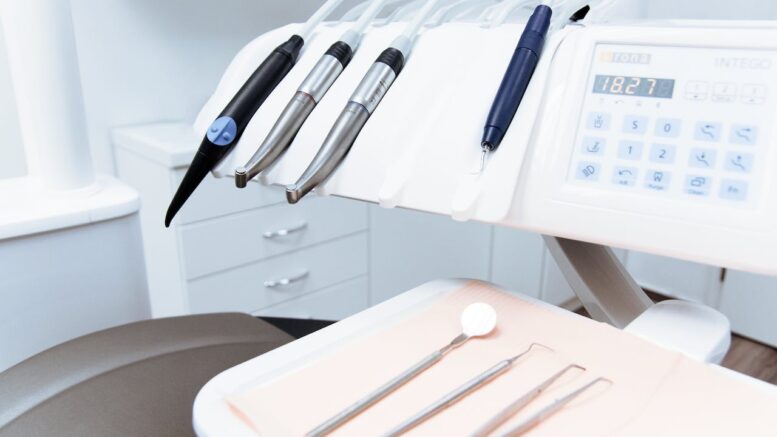
In the highly regulated world of healthcare, few areas demand as much attention to safety, precision, and reliability as dental instrumentation. Every bur, forceps, handpiece, and surgical tool that enters a patient’s mouth must meet stringent standards to ensure safety and effectiveness. This is where FDA compliance and robust quality assurance become non-negotiable pillars of modern dental practice.
Deutsche Dental Technologien, a direct importer and distributor of premium German instruments from Busch & Co. and Helmut Zepf, has positioned itself as a trusted partner for U.S. dental practices by prioritizing regulatory compliance and uncompromising quality. This long-form article explores the critical importance of FDA compliance in dental tools, the challenges practices face, and why partnering with reputable suppliers like Deutsche Dental Technologien is becoming an essential strategy for forward-thinking dental professionals.
The Regulatory Landscape: FDA’s Role in Dental Devices
The U.S. Food and Drug Administration (FDA) classifies dental instruments as medical devices and subjects them to varying levels of regulatory control depending on risk. Most rotary instruments, hand instruments, and surgical tools fall under Class I or Class II categories, requiring manufacturers to adhere to strict Good Manufacturing Practices (GMP), quality system regulations (21 CFR Part 820), and proper labeling.
Why FDA Compliance Matters for Patient Safety:
- Prevents use of substandard or counterfeit instruments that could cause injury, infection, or treatment failure.
- Ensures instruments are properly sterilized, biocompatible, and perform as intended.
- Provides traceability and accountability throughout the supply chain.
- Protects practices from liability in case of adverse events.
Non-compliant or poorly regulated instruments pose real risks, including cross-contamination, material degradation, and unexpected mechanical failure during procedures.
Challenges in Today’s Dental Supply Chain
Dental practices source instruments through various channels — large distributors, online marketplaces, group purchasing organizations, and direct importers. Each path carries different levels of quality oversight.
Common challenges include:
- Counterfeit Products: Lower-cost instruments that falsely claim compliance.
- Inconsistent Quality: Variations between batches or suppliers.
- Complex Supply Chains: Multiple intermediaries can obscure the true origin and manufacturing standards.
- Evolving Regulations: Keeping up with FDA updates and international standards.
This is where a specialized partner like Deutsche Dental Technologien provides significant value.
Deutsche Dental Technologien: A Commitment to Compliance and Quality
Founded with a mission to deliver authentic German precision instruments to the U.S. market, Deutsche Dental Technologien works directly with two iconic manufacturers:
- Busch & Co. (est. 1905) — World-renowned for rotary instruments including carbide burs, diamond burs, KERA ceramic cutters, and Ziramant zirconia burs.
- Helmut Zepf Medizintechnik (est. 1921) — Leaders in surgical and hand instruments, known for precision forceps, elevators, and microsurgical tools.
Under the leadership of CEO James Belshe, the company built its reputation on transparency, regulatory diligence, and customer trust.
Key Strengths of Their Approach:
- Direct relationships with German manufacturers ensure full traceability.
- Focus on authentic, high-quality products rather than generic or rebranded tools.
- Rigorous attention to FDA clearance requirements for applicable devices.
- Dual warehousing strategy (Germany and U.S.) that supports efficient and compliant distribution.
Technical Excellence Behind the Compliance
What sets Busch and Zepf instruments apart is not just regulatory compliance, but the engineering philosophy that supports it:
Busch & Co. Innovations:
- Exceptional concentricity in rotary instruments, reducing vibration and improving precision.
- Specialized materials and coatings (e.g., KERA ceramic and Ziramant diamond technology).
- Designs optimized for specific clinical applications, from periodontal therapy to zirconia adjustment.
Helmut Zepf Surgical Tools:
- Tungsten carbide inserts for superior grip and durability.
- Ergonomic designs that enhance clinician control and reduce fatigue.
- Precision manufacturing that supports minimally invasive techniques.
These technical advantages are backed by robust quality management systems that align with FDA expectations and international standards such as ISO 13485.
Clinical Benefits of Choosing Compliant, High-Quality Instruments
Practices that prioritize FDA-compliant instruments from reputable sources often see:
- Improved Patient Safety — Reduced risk of instrument failure or contamination.
- Better Clinical Outcomes — More precise preparations, better-fitting restorations, and improved periodontal results.
- Enhanced Efficiency — Durable instruments that maintain performance longer, reducing chair time and replacement costs.
- Lower Liability Risk — Documented compliance and quality assurance provide stronger defense in regulatory or legal matters.
- Stronger Patient Trust — Clinicians can confidently communicate the quality of tools being used.
Case Studies: Real-World Impact
Periodontal Practice Example: A practice using Busch LongLife PERIO-PRO burs reported smoother root planing procedures, reduced patient sensitivity, and better long-term gingival health outcomes.
Prosthodontics Lab: Adoption of KERA ceramic cutters led to faster acrylic processing with less vibration and improved technician comfort.
Oral Surgery Group: Helmut Zepf forceps enabled more predictable, atraumatic extractions with faster healing times.
These examples demonstrate that compliance is not just about meeting regulations — it’s about delivering measurable clinical value.
The Economic Argument for Quality
While premium instruments often have a higher upfront cost, the total cost of ownership is frequently lower due to:
- Extended instrument lifespan
- Reduced procedure time
- Fewer remakes or complications
- Improved practice reputation leading to better patient retention
Deutsche Dental Technologien’s direct model further enhances value by removing unnecessary distribution markups while maintaining strict quality standards.
Best Practices for Dental Practices
To ensure FDA compliance and quality assurance, practices should:
- Ask suppliers about FDA clearance status for specific devices.
- Verify the country of origin and manufacturer reputation.
- Maintain proper documentation and traceability records.
- Implement robust sterilization and maintenance protocols.
- Partner with distributors who demonstrate transparency and expertise.
Looking Ahead: The Future of Dental Device Regulation
As new materials, digital technologies, and AI-assisted tools enter dentistry, regulatory scrutiny is likely to increase. Companies like Deutsche Dental Technologien that already prioritize compliance and quality will be better positioned to navigate this evolving landscape.
Conclusion: Quality Is a Strategic Choice
In dental instrumentation, FDA compliance and quality assurance are not optional checkboxes — they are fundamental to safe, effective patient care. By sourcing from reputable partners like Deutsche Dental Technologien, practices gain access to authentic German precision instruments from Busch & Co. and Helmut Zepf while benefiting from transparency, reliability, and clinical excellence.
For dental professionals committed to the highest standards of care, the message is clear: where you source your instruments matters. In an increasingly complex healthcare environment, partnering with trusted, compliant suppliers is one of the smartest decisions a practice can make.
Learn more about compliant, premium German dental instruments: www.deutschedt.com