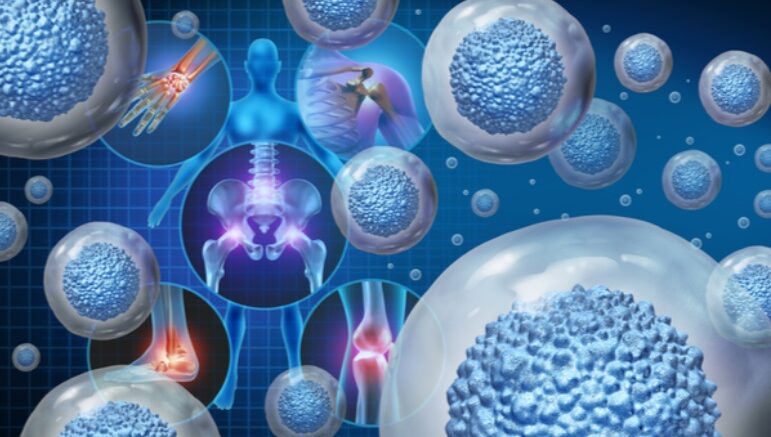
Stem cell therapy has become one of the fastest-growing reasons people travel abroad for medical care. Rising treatment costs in the US, UK, and parts of Europe, combined with long waitlists for newer regenerative treatments, have pushed patients to look overseas for options. Thailand has emerged as one of the top destinations for this kind of medical tourism, alongside more established hubs for other procedures like Turkey.
But traveling for stem cell therapy raises different questions than traveling for, say, dental work or cosmetic surgery. Regenerative medicine is a newer field; regulatory standards vary widely by country, and the science is still evolving. So is it actually safe to pursue stem cell therapy in Thailand, and how do you find a provider like Vega Stem Cell Clinic that meets international standards? Here’s what patients should know before booking a trip.
Why Thailand Has Become a Stem Cell Therapy Destination
Thailand has spent the last two decades building a reputation in medical tourism generally, with Bangkok in particular becoming a hub for everything from cosmetic procedures to fertility treatment. That existing infrastructure — hospital-grade facilities, English-speaking staff, and a lower cost of care — has made it a natural extension for regenerative medicine as demand has grown.
Cost is a major factor. Stem cell treatments that can run into the tens of thousands of dollars in the US are often available at a stem cell clinic in Bangkok at a fraction of the price, without the multi-month waitlists common at Western clinics. Thailand’s government has also actively promoted the country as a medical tourism destination, which has encouraged both investment in clinical infrastructure and closer alignment with international standards.
The Risks Patients Should Understand
Regenerative medicine remains a lightly regulated space in many parts of the world, and Thailand is no exception. Not every clinic operates to the same standard, and patients researching stem cell therapy in Bangkok, Thailand should be aware of a few key risk factors:
Inconsistent regulation. Stem cell therapy regulation in Thailand has historically lagged behind countries like the US or those in the EU, where cell-based therapies face stricter approval pathways. This means the burden of due diligence falls more heavily on the patient.
Unproven claims. Some clinics market stem cell treatments as cures for conditions where the clinical evidence is still preliminary or inconclusive. Patients should be cautious of any provider promising guaranteed results for serious or chronic conditions.
Variable lab standards. The safety of a stem cell treatment depends heavily on how the cells are sourced, processed, and stored. Facilities that lack GMP (Good Manufacturing Practice) certification carry a higher risk of contamination or inconsistent cell quality.
Limited post-treatment follow-up. Patients who travel for a single treatment and return home may have limited access to the original clinic if complications or questions arise later.
What to Look for in a Reputable Clinic
Given the risks above, finding the best stem cell clinic in Thailand comes down to verifying a few concrete things rather than relying on marketing claims:
- GMP-certified laboratories. This is one of the clearest signals that a clinic follows internationally recognized quality and safety standards in how cells are processed.
- Transparent sourcing. Reputable clinics should be able to explain clearly where their stem cells come from — whether umbilical cord-derived, adipose, or another source — and how they’re screened.
- Research affiliations. Clinics involved in ongoing clinical research or academic partnerships tend to operate with more oversight and scientific rigor than those focused purely on direct-to-consumer treatment.
- Realistic communication. Legitimate providers will discuss what the current evidence does and doesn’t support, rather than promising outcomes.
- Physical accessibility. Established clinics with a permanent facility and clear physical address are generally a safer bet than pop-up or purely online-booked services.
One example of a facility built around these standards is Vega Stem Cell Clinic in Bangkok, which operates through its Vega Center of Excellence — a research arm focused on umbilical cord-derived stem cells, GMP-certified lab processes, and partnerships with academic and regulatory institutions. Clinics structured this way, with a research and compliance focus rather than treatment alone, tend to align more closely with the direction international regulation is heading.
Questions to Ask Before Booking
Before committing to treatment abroad, patients should ask any clinic:
- Is your lab GMP-certified, and can you provide documentation?
- Where do your stem cells come from, and how are they screened for safety?
- What clinical evidence supports this treatment for my specific condition?
- What happens if I experience complications after I return home?
- Can I speak with previous patients or see published outcomes data?
A credible clinic should be able to answer these directly. Hesitation or vague answers are a red flag.
Conclusion
Medical tourism for stem cell therapy in Thailand isn’t inherently risky, but it isn’t risk-free either — and the difference between the two usually comes down to one thing: which clinic you choose, not which country you fly to. A GMP-certified lab, transparent sourcing, and a genuine research foundation separate a serious medical institution from a treatment-only storefront.
Bangkok has built a real ecosystem for this kind of care, pairing decades of medical tourism infrastructure with a growing number of research-oriented providers. Facilities like the Vega Center of Excellence at Vega Stem Cell Clinic reflect where the field is heading: clinical study involvement, academic and regulatory partnerships, and lab standards built for international compliance — whether a patient is exploring stem cell IV therapy in Bangkok, Thailand or a targeted injection protocol.
For patients weighing their options, the same due-diligence principles apply no matter where you’re searching from: verify credentials, ask direct questions, and treat any guarantee of results as a red flag. Regenerative medicine holds real promise, but it’s still an evolving field, and the safest path through it is choosing a clinic that treats it that way — not the flashiest marketing, but the most transparent one.
Frequently Asked Questions
Is stem cell therapy legal in Thailand?
Yes, it’s legally offered through licensed clinics, though regulation of regenerative medicine is still developing — so checking a clinic’s certifications matters more than its legal status alone.
What’s the difference between stem cell therapy and stem cell IV therapy?
Stem cell therapy is the broad category (injection, surgical, or IV). Stem cell IV therapy specifically delivers cells intravenously so they circulate systemically rather than targeting one area.
Are umbilical cord-derived stem cells safe?
They’re widely used in research due to non-invasive collection and generally lower rejection risk, but safety still depends on sourcing, screening, and GMP-certified processing.
How much does stem cell therapy cost in Bangkok compared to the US or Europe? Significantly less on average, though exact pricing depends on treatment type and dosage — request a detailed quote directly from the clinic.
How do I know if a stem cell clinic in Thailand is GMP-certified?
Ask for documentation directly, and confirm whether the clinic runs its own lab or outsources processing to a third party.
Can I get a consultation before traveling to Bangkok?
Yes — most reputable clinics, including Vega Stem Cell Clinic, offer remote consultations to review candidacy and protocols before an in-person visit.