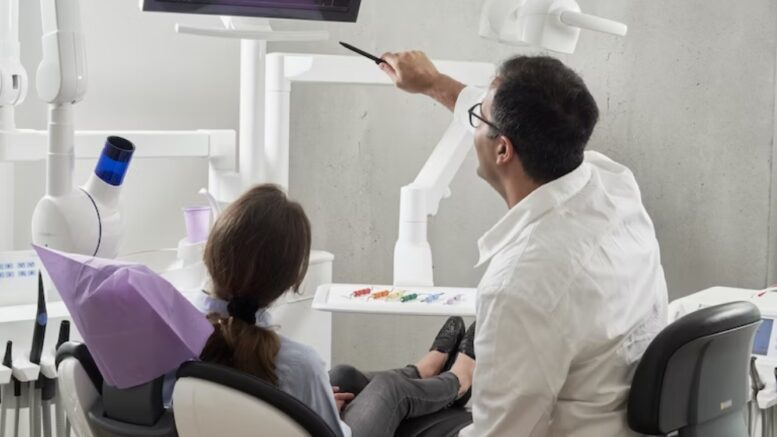
There’s a particular kind of optimism people quietly apply to their teeth. Nothing hurts, so nothing must be wrong. It feels perfectly reasonable on the surface. It’s also one of the most expensive assumptions in all of healthcare, because by the time a dental problem actually starts to hurt, it has usually been developing quietly and invisibly for a long, long while.
Pain Is a Late Signal
Teeth aren’t great at giving early warnings, which is the root of the whole problem. A cavity can eat through the hard outer enamel and burrow into the softer, more sensitive deeper layers of a tooth well before you ever feel so much as a twinge. Gum disease can quietly advance for years with nothing more dramatic to show for it than a little blood in the sink when you brush, a sign the overwhelming majority of people notice and then promptly ignore. By the time there’s genuine, persistent pain, the damage underneath is often already significant, and the fix required is correspondingly bigger, longer, and more expensive.
This delayed-warning problem is the entire logic behind preventive care, and it’s why dentists keep banging the drum about it. A routine checkup isn’t really about confirming that you’re fine, even though that’s how it feels. It’s about catching the things you can’t possibly feel yet, while they’re still small, still cheap, and still simple to handle before they snowball.
What Actually Happens at a Checkup
A routine dental visit does considerably more than most people consciously realize while they’re sitting in the chair. The dentist methodically checks for decay on every surface, examines the health and attachment of your gums, inspects the condition of existing fillings and crowns for cracks or leaks, and screens for problems you would have absolutely no way of spotting on your own at home. Many practices now also include a quick oral cancer screening as a matter of routine, a simple check that can catch something serious at its earliest and most treatable stage.
The professional cleaning that comes paired with the exam matters every bit as much as the inspection itself. Even diligent, conscientious brushers inevitably miss certain spots, and hardened tartar, once it forms, simply cannot be removed at home no matter how expensive your toothbrush or how perfect your technique. A professional cleaning clears away exactly what your daily brushing can’t reach and effectively resets the clock on developing gum problems.
The Cost Argument
Here’s the part that really ought to change minds, and it comes down to simple arithmetic. A checkup and cleaning is a modest, predictable cost. A single filling costs more than that. A root canal followed by a crown costs a great deal more again. An extraction followed by an implant to replace the lost tooth costs more still, often by a wide margin. Skipping the cheap, boring preventive step in the name of saving a little money this year very frequently leads directly to needing the expensive, involved corrective procedure next year. The real-world math runs in the exact opposite direction to how most people actually behave.
The Whole-Body Angle
It’s also genuinely worth remembering that the mouth isn’t some sealed-off compartment isolated from the rest of you. Gum disease has been repeatedly linked in research to heart disease, to complications in managing diabetes, and to a range of other systemic health issues throughout the body. Looking after your teeth and gums is, in a very real and measurable sense, looking after your broader overall health at the same time. A practice like Love Your Smile that treats every checkup as a chance to look at the whole connected picture, rather than just a quick drill-and-fill production line, is quietly doing more for your long-term wellbeing than it might appear from the chair.
How Often, Really?
The standard, widely repeated guidance is twice a year for most adults, though the honest truth is that some people genuinely need more frequent visits and a smaller number can safely stretch the interval out. The right cadence for you specifically depends heavily on your individual risk profile: your personal history of decay, the current health of your gums, whether you smoke, your diet, and a handful of other factors. Your dentist can tell you where you actually fall on that spectrum rather than applying a blanket one-size-fits-all rule that may not fit you.
Building the Habit
A few small, practical things make staying consistent considerably easier over the years:
- Book your next appointment before you even leave the office from the current one, so it’s locked in.
- Treat the visit like any other recurring, non-negotiable health commitment, not an optional extra to cancel when life gets busy.
- Don’t cancel or skip simply because nothing currently hurts. That total absence of pain is precisely the point of going.
- Keep up the daily basics of brushing and flossing between visits, since checkups support good home care, they don’t replace it.
The Quiet Payoff
Preventive dental care is, admittedly, deeply unglamorous. It produces no dramatic before-and-after photo, no satisfying transformation, no story worth telling at dinner. Its entire reward is an absence: the cavity you never got, the gum disease that never quietly advanced, the painful, expensive, inconvenient emergency that never happened on a Friday night. That’s a genuinely strange and counterintuitive thing for the human brain to value, but it’s worth far, far more than it ever feels like in the moment of booking. The best dental visit of your life is the boring one where everything checks out clean, and consistent preventive care is simply how you keep stringing those boring, blessed visits together.