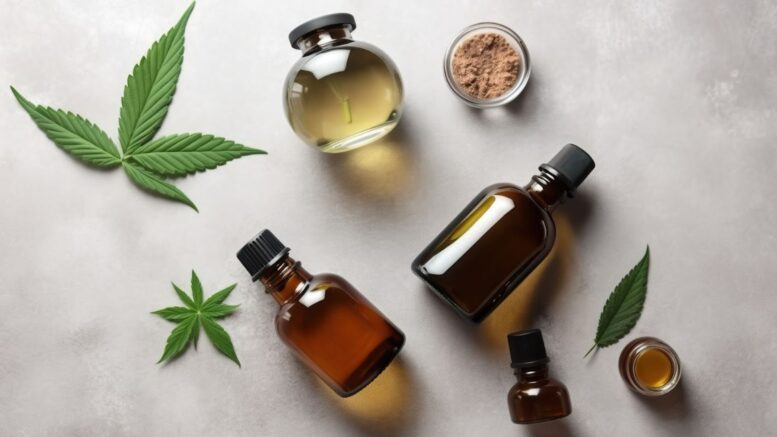
Walk into any pharmacy today and you’ll see something different. CBD products sit alongside traditional medications. This shift happened fast. Five years back, you couldn’t get your doctor to discuss CBD. They’d change the subject. Today? They bring it up first.
The Research Backs It Up
CBD research goes back decades. We know it works for certain health problems. Chronic pain? People get relief. Anxiety? It calms you down. Poor sleep? You rest better at night.
The FDA approved Epidiolex in 2018. This CBD-based medication treats severe epilepsy in children. That approval changed everything. It proved CBD works for serious medical conditions.
Researchers now study how CBD affects inflammation. Lab tests show it lowers inflammatory markers. If you have arthritis, your joints hurt less. People with Crohn’s disease see real improvement. Your body’s immune response changes when you take CBD. We can measure these changes.
Doctors Change Their Stance
Medical schools teach doctors about CBD interactions with prescription drugs. They study the endocannabinoid system in anatomy class.
Take Dr. Sarah Mitchell in Portland. She runs a pain clinic. Half her patients now use CBD. “It works,” she says. “People reduce their opioid use. They function better at work and home.”
Five years ago, doctors refused to talk about CBD. Now they write recommendations for it. That’s a big change.
Quality Matters Most
Here’s the problem: CBD products vary wildly in quality. When states legalized hemp, companies rushed to sell products. Many were garbage. Some contain less CBD than labels claim. Others include harmful contaminants.
You need third-party lab testing. Reputable companies test every batch. They publish results online. Check for heavy metals, pesticides, and accurate cannabinoid levels.
Source matters too. Hemp grown in clean soil produces better CBD. Extraction methods affect quality. CO2 extraction preserves beneficial compounds better than cheaper methods.
When you buy CBD online from Mama Kana, look for these quality markers. Read the lab reports. Verify the hemp source. Check extraction methods.
Finding Your Dose
Start low. Most people begin with 10-15 mg daily. You can increase slowly based on results. Some conditions need higher doses. Severe pain might require 50-100 mg.
Track your response. Note changes in sleep, pain levels, or anxiety. This helps you find the right amount. Your ideal dose depends on body weight, metabolism, and what you’re treating.
Insurance and Cost
Insurance rarely covers CBD. You pay out of pocket. Prices vary widely. Quality products cost more but work better. Budget $40-80 monthly for standard doses.
Some health savings accounts accept CBD purchases. Check your plan details. Keep receipts for tax purposes if your doctor recommends CBD for a diagnosed condition.
The Future Looks Bright
Research continues. Universities study CBD for Alzheimer’s, cancer, and heart disease. Early results show promise. We’ll learn much more in the coming years.
Regulations improve. States create testing standards. The industry matures. Better products reach consumers.
Your doctor can help you decide if CBD fits your health plan. Ask about potential benefits. Discuss drug interactions. Get guidance on dosing.
CBD moved from fringe to mainstream. The science supports its use. Quality products deliver results. This represents real progress in how we approach health and wellness.