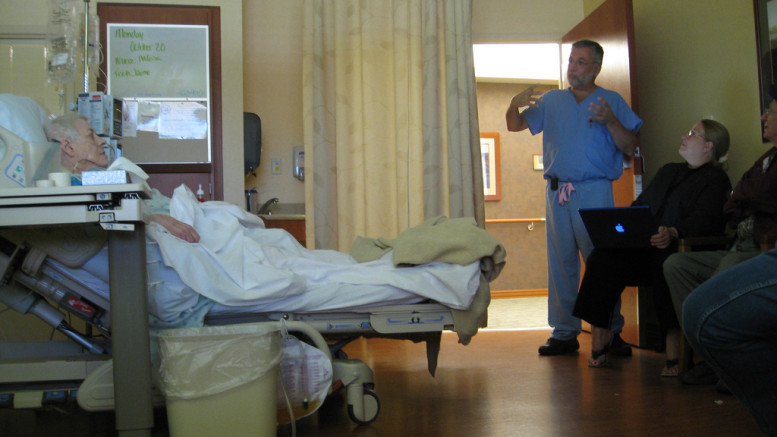
Bedridden patients are among the most vulnerable nursing home residents. Simple and frequent respositioning, even when the patient is resistant, can help mitigate problems. However, inadequate and underpaid staff often exacerbate the problem. These issues can lead to prolonged immobility. Instead of a comfort zone, a nursing home bed can become a health hazard.
Prolonged immobility in bedridden nursing home residents can cause severe, yet preventable injuries, severe health complications, and considerable emotional distress. When such problems escalate, you need the help of an experienced nursing home abuse lawyer like those at GDH Law to achieve justice for your loved one.
Bedsores are Pressure Injuries
Bedsores are much more than minor nuisances for people with limited mobility who spend much or all of their time in bed. Continuous pressure between the body and a mattress compresses soft tissue and restricts blood flow. Restricted circulation starves the area of oxygen and nutrients. Cells in the area begin to die if pressure is not relieved, which can result in tissue death. Injuries often spread deeper than what is visible. Friction and moisture can accelerate this process.
The severity of bedsores falls into four stages. In Stages 1 and 2, the skin remains intact, but the area below it is discolored. Stage 2 involves the thinning of surface skin. Stages 3 and 4 encompass full tissue loss. Subcutaneous fat may be visible. Tissue death and direct exposure of muscles, tendons, and other body parts may occur.
High-risk zones usually occur over bones. Primary spots include the tailbone and heels, but other common areas are the hips, shoulder blades and elbows. All require extensive cushioning and frequent repositioning to prevent the condition from worsening.
Health Complications of Prolonged Immobility
Letting bedsores progress to Stage 4 not only produces extensive pain but also dire consequences for the patient. Pressure injuries are the most common sign of neglect, but they can blossom into a host of other health issues when left unchecked. Almost every major organ begins to degrade when a nursing home resident remains in one position too long.
The most common problems are:
• Respiratory issues
• Circulatory complications
• Musculoskeletal deterioration
• Gastrointestinal and renal system effects
Immobility severely affects the respiratory system, as lying flat restricts the chest’s ability to expand and contract. Over time, secretions begin to pool in the lungs and create a breeding ground for bacteria, leading to lung infections.
Circulation becomes sluggish with immobility. It also increases the likelihood of blood clots in the legs, leading to deep vein thrombosis. When one of these clots breaks free, it can lead to a deadly pulmonary embolism.
Without movement, muscles and joints begin to lose structural integrity. Patients lose muscle mass, while muscles begin to atrophy. Tendons, ligaments, and joints begin to shorten, leading to irreversible joint contracture. Patients with this condition may experience considerable pain.
Immobility slows movement in the digestive system and urinary tract. Chronic constipation can develop, making bowel impaction a possibility. Urine that sits too long in the bladder becomes another breeding ground for bacteria, causing painful, recurrent infections. This latter condition can turn into sepsis, which can easily kill an immobile person.
Psychological and Emotional Impacts
Nursing home neglect goes beyond bedsores and physical health problems. Neglected residents frequently experience psychological and emotional issues. When patients are left in one position for hours on end, they experience sensory deprivation as well as isolation. Extreme loneliness can ensue. Profound disorientation, cognitive fog, and a growing sense of helplessness can occur.
This situation increases depression and anxiety. Watching the hours pass without staff responding to their calls or visits from others can lead to deep clinical depression. In turn, emotional distress can lead to increased pain levels. A vicious cycle can start, where mental anguish leads to increased pain and increased pain heightens mental anguish even further.
Standards of Care, Prevention and Legal Implications
The staff in your loved one’s nursing home should adhere to strict standards of care to prevent bedsores and other issues, such as severe falls. Unfortunately, many nursing facilities have supar staff levels, leading to neglect on the part of the facility owner, not necessarily the staff. However, you can advocate for your loved one by asking whether the staff repositions your loved one at least once every two hours. This task helps reduce the chance of pressure injuries. Ask if the facility has pressure-relieving mattresses and supportive pillows. Regular skin integrity checks and moisture management can go a long way to ensuring a senior’s skin remains healthy.
Recognizing the signs of neglect is key to advocating for your loved one. Look for the following signs that point toward nursing home abuse:
• Persistent, unexplained redness that does not fade or turn color when pressed
• Foul odors or stained bedding indicating prolonged exposure to urine and feces
• Excuses and delays in care from staff when help is requested
• Unexplained flinching or crying out during movement can indicate hidden skin issues
• Room set up never changes
• Lack of a consistent turning schedule
Federal regulations, such as those from the Centers for Medicare and Medicaid Services, require facilities to set a personalized schedule for each individual’s care. Violations of the standards of care occur when nursing homes don’t follow these plans. Intentional understaffing also counts as negligence. Medical malpractice may also be present if medical personnel fail to diagnose and treat bed sores and resulting complications.
How You Can Intervene for Your Loved One
Families whose loved ones suffer severe bed sores and other avoidable situations have legal recourse under state and federal departments of health and administrative investigations. Remain vigilant and ask nursing home personnel to follow standards of care. You can hire a nursing home abuse lawyer to initiate proceedings against negligent facilities and staff and file a civil personal injury or wrongful death lawsuit.