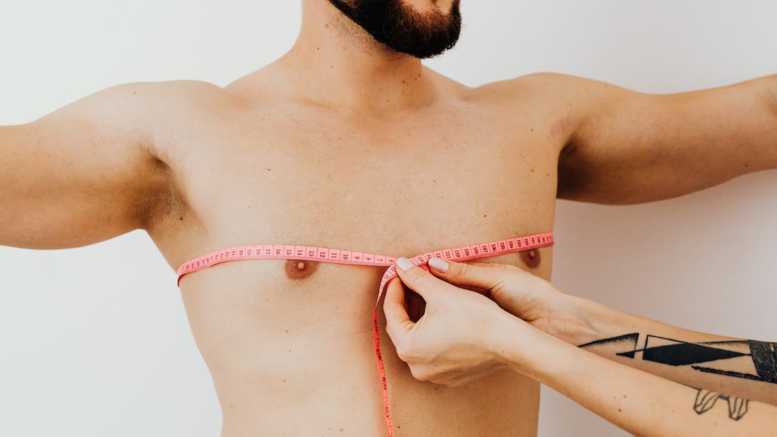
Chest masculinization, commonly referred to as top surgery, is a reconstructive surgical procedure designed to alter the chest to achieve a more masculine or flat contour. For many individuals, this procedure is a critical step in aligning their physical appearance with their gender identity, alleviating gender dysphoria, and improving overall psychological well-being. It is also the standard clinical treatment for cisgender men experiencing gynecomastia, a medical condition characterized by the benign enlargement of glandular breast tissue.
Common Surgical Techniques
Chest masculinization is not a single technique for chest masculinization in Los Angeles. Surgeons usually select the best approach based on chest size, skin elasticity, nipple position, body shape, and the patient’s aesthetic goals.
The most common technique is the double incision with free nipple grafts, which is generally required for for patients with larger chests. It involves removing the breast tissue and excess skin, then resizing and grafting the nipples back onto the chest.
For individuals with smaller chests and high skin elasticity, peri-areolar or keyhole surgeries might be viable alternatives. These procedures involve making localized incisions around the border of the areola to extract tissue, resulting in significantly less visible scarring.
Risks and possible complications
Like any surgery, chest masculinization carries some risk. These may include the following:
- Bleeding
- Infection
- Delayed healing
- Fluid buildup
- Noticeable scarring
- Changes in nipple and skin sensation
Some patients may also need or want revision surgery later to improve contour, scar appearance, or nipple placement. That is not unusual and does not necessarily mean something went wrong. Healing differences and personal goals both play a role in the final result.
Recovery and aftercare
Recovery varies from person to person, but chest masculinization is often performed as an outpatient procedure or with only a short stay. Recovery requires patience and strict adherence to the surgeon’s aftercare protocols.
Patients typically wear a medical compression garment for several weeks to minimize swelling and support the new chest contours, and may have drains in place for a limited time. In the early stage of recovery, swelling, bruising, soreness, and restricted upper-body movement are common. Most individuals can return to light, desk-based work within one to two weeks, but strenuous physical activity and heavy lifting must be avoided for at least four to six weeks.
Scars continue to mature over time, and the final contour of the chest may keep improving for several months. While initial results are visible immediately, it can take up to a year for the final contours to settle and for incisions to fully mature.
How to choose the right surgeon in Los Angeles
Before undergoing the procedure, a thorough consultation is mandatory. During this evaluation, the surgeon reviews the patient’s medical history, assesses anatomical viability, and outlines the potential risks associated with surgery.
For gender-affirming procedures, some clinics or insurance providers may still require a letter of support from a qualified mental health professional, though informed consent models are increasingly adopted. This phase ensures the patient understands the permanent nature of the results.
For patients in Los Angeles, choosing a surgeon should involve more than reviewing before-and-after photos. It is important to ask about board certification, experience with chest masculinization procedures, complication rates, follow-up care, and how the surgeon decides which technique is appropriate.
You should also ask what results are realistic for your body type. The best surgeon can explain the procedure clearly, set honest expectations, and tailor the approach to your needs.
Final thoughts
Chest masculinization is both a medical procedure and a deeply personal decision. Good information, careful planning, and an experienced surgeon can make the process safer and less overwhelming.
For many people, the goal is not perfection. It is feeling more comfortable, more confident, and more at home in their own body.