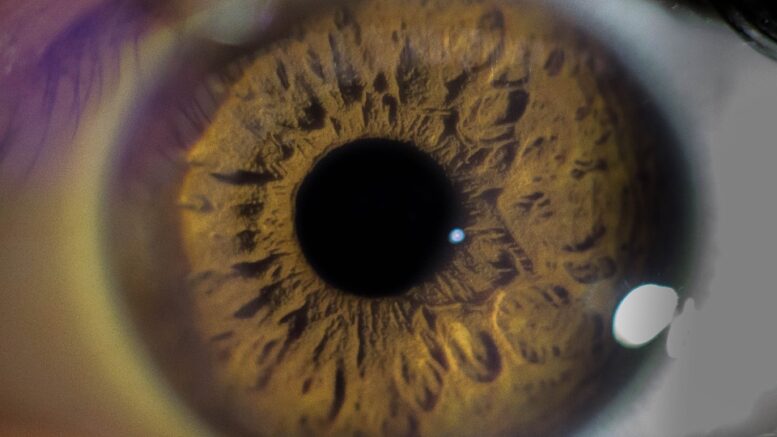
For generations, “going to the eye doctor” meant a simple routine: reading a chart on the wall, getting a prescription for glasses, and perhaps a quick puff of air to test for pressure. But maintaining healthy vision requires more than a simple yearly checkup. As eye diseases become more common with aging populations and increased screen exposure, access to advanced vision care services is more important than ever. Clinics like the Intermountain Eye Center, home to specialists such as Dr. Brent Betts, MD, offer comprehensive evaluations, innovative treatments, and individualized care that help patients preserve their sight and overall eye health.
The Shift from Correction to Prevention
Advanced vision care is built on a proactive approach rather than waiting for problems to arise. In the past, people often didn’t seek help until their eyesight noticeably worsened. While routine eye exams play a crucial role in detecting early changes, many conditions require highly specialized diagnostic tools and procedures. Issues such as cataracts, glaucoma, diabetic retinopathy, macular degeneration, and corneal disorders can progress silently. By the time noticeable symptoms appear, the disease is often well-established.
Today, modern ophthalmology can detect changes long before symptoms appear. High-resolution imaging tools like Optical Coherence Tomography (OCT) provide microscopic views of the retina, working much like an ultrasound but with light instead of sound. This technology makes it possible to spot early signs of macular degeneration, diabetic retinopathy, glaucoma, and other conditions at a stage when intervention is most effective. By catching disease in its earliest phases, specialists can apply treatments that slow or stop progression and protect long-term vision.
Key Components of Modern Vision Care
Depending on the diagnosis, treatment may involve medical therapy, laser procedures, surgery, or ongoing monitoring. Clinics like Intermountain Eye Center prioritize patient education, helping individuals understand why certain treatments are recommended and what results they can expect over time.
1. Comprehensive Diagnostic Imaging
Today’s clinics rely on sophisticated imaging tools, including optical coherence tomography (OCT), corneal topography, retinal photography, and visual field testing. These technologies allow specialists to detect microscopic changes in ocular tissues—often years before symptoms develop.
2. Minimally Invasive Procedures
Innovations such as laser-assisted cataract surgery, microinvasive glaucoma surgery (MIGS), and advanced corneal cross-linking techniques offer gentler, faster, and more effective treatments. These procedures typically result in reduced discomfort, quicker recovery times, and better visual outcomes.
3. Medical Management of Chronic Eye Diseases
Long-term conditions like glaucoma or diabetic retinopathy require consistent monitoring and individualized treatment plans. Modern care models emphasize ongoing disease monitoring, lifestyle counseling, and targeted pharmacologic therapies that help slow degeneration and protect vision.
The Importance of Personalized Expertise
Even the most advanced technology depends on the skill of the clinicians who use it. A major strength of advanced vision care is the level of expertise behind every diagnosis and treatment plan. This is an area where organizations like Intermountain Eye Center stand out, combining board-certified medical knowledge with state-of-the-art equipment to create care plans tailored to each patient. Whether a provider is managing a complicated retinal disorder or adjusting a prescription for someone with demanding visual needs, personalized attention ensures that every patient receives care suited to their unique eyes and lifestyle.
Investing in Lifelong Vision Health
Good vision is essential to quality of life, yet vision problems remain among the most common—and preventable—health issues. Regular eye examinations, paired with access to advanced diagnostic and treatment services, help safeguard long-term sight.
For patients seeking comprehensive, modern vision care, facilities such as Intermountain Eye Center demonstrate how expertise, innovation, and personalized treatment can work together to maintain optimal eye health throughout life.