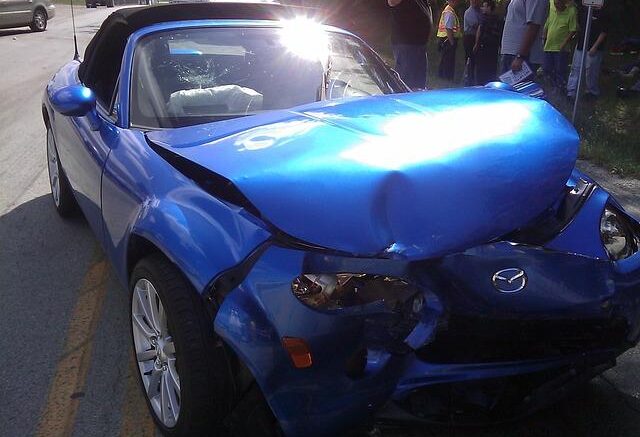
Car accidents are among the leading causes of traumatic injury in the United States, yet the full medical impact of a collision is frequently underestimated — by patients, by insurers, and sometimes by emergency providers treating victims in the immediate aftermath. Understanding the health consequences of vehicle crashes, and knowing when those consequences cross into legal territory, can make a critical difference in both recovery outcomes and financial protection.
Why Car Accident Injuries Are Routinely Underdiagnosed
The human body responds to traumatic impact with an immediate surge of adrenaline. This physiological stress response is protective in the moment — it suppresses pain signals and heightens alertness — but it creates a dangerous blind spot in the hours following a crash. Victims who feel fine at the scene of an accident, or who decline an ambulance, frequently discover serious injuries in the days that follow.
Whiplash is among the most common examples. The soft tissue damage caused by rapid deceleration — to the muscles, tendons, and ligaments of the neck and upper spine — often does not produce noticeable symptoms for 24 to 72 hours after the collision. By that point, some victims have already given recorded statements to insurance adjusters describing themselves as uninjured.
Traumatic brain injuries present a similar diagnostic challenge. Mild to moderate TBIs — including concussions — can go undetected in emergency settings, particularly when no loss of consciousness occurred. Symptoms including persistent headaches, cognitive fog, sleep disruption, mood changes, and sensitivity to light or sound may develop gradually and are sometimes misattributed to stress or anxiety rather than neurological trauma.
Internal injuries involving the abdomen, chest cavity, or organs are also a concern in high-impact collisions. Seat belt trauma, though life-saving, can cause injuries to the liver, spleen, or intestines that are not immediately apparent on initial examination.
Common Car Accident Injuries That Require Ongoing Medical Care
Beyond the acute phase of treatment, car accident victims frequently face extended medical needs that compound the financial impact of the crash. These include:
Spinal cord injuries. Herniated discs, vertebral fractures, and nerve compression can result in chronic pain, limited mobility, and in severe cases, permanent disability. Treatment often involves physical therapy, pain management, specialist consultations, and in some cases, surgical intervention.
Orthopedic injuries. Fractures to the wrists, arms, shoulders, hips, and lower extremities are common in side-impact and head-on collisions. Recovery timelines can extend for months, with some injuries requiring multiple surgeries and prolonged rehabilitation.
Psychological trauma. Post-traumatic stress disorder, acute anxiety, and driving phobia are well-documented consequences of serious car accidents. These conditions are medically recognized, diagnosable, and directly compensable in a personal injury claim — yet they are frequently overlooked when victims focus solely on physical injuries.
Chronic pain conditions. Research indicates that a significant percentage of car accident victims develop long-term musculoskeletal pain that persists well beyond the expected recovery window. These conditions can affect employment capacity, sleep quality, and overall quality of life for years after the initial incident.
The Connection Between Medical Documentation and Legal Recovery
The medical record created in the weeks following a car accident is not just a clinical document — it is the primary foundation of any injury claim. Gaps in treatment, inconsistencies in documented symptoms, and delays in seeking care are among the most commonly cited reasons insurance companies use to reduce or deny compensation.
This is why prompt and thorough medical evaluation following any car accident is essential, regardless of how the victim feels at the scene. Every diagnosis, every treatment, every follow-up appointment, and every out-of-pocket expense creates a documented record that supports the full value of a claim.
It is equally important that victims avoid discussing their injuries — or their perceived lack of injury — with any insurance representative before consulting legal counsel. Statements made casually in the immediate aftermath of a crash are routinely used to undervalue legitimate claims.
When to Consult a Car Accident Lawyer in Fayetteville, AR
If a car accident in the Fayetteville area resulted in any of the following, legal consultation should be a priority: injuries requiring medical treatment beyond initial emergency care, lost income or reduced work capacity, long-term or permanent physical limitations, significant vehicle damage, or a dispute with an insurance company over fault or compensation.
MGW Law Partners has represented car accident victims throughout Northwest Arkansas — including Fayetteville, Bentonville, Rogers, and Springdale — for more than 45 years. The firm’s attorneys understand both the medical and legal dimensions of serious collision cases and work on a contingency fee basis, meaning no fees are charged unless the case results in a recovery.
To speak with a car accident lawyer in Fayetteville, AR, contact MGW Law Partners at 479.521.7050 or visit mgwfirm.com for a free, confidential consultation.
This article is intended for general informational purposes only and does not constitute medical or legal advice. MGW Law Partners, 3729 N. Crossover Suite #111, Fayetteville, AR 72703.