Mimosa hostilis (more correctly Mimosa tenuiflora) is a shrub best known online for its association with DMT, a known hallucinogenic drug used in the Jurema cult. But in traditional herbal practice, its bark (especially as tepezcohuite) is more often discussed for topical skin and wound uses.
In this article, we’ll show you why this herb is useful for a lot of different reasons while exploring what’s real, what’s folklore, and what carries legal or medical risk.
Let’s have a look together with Dr. Claudio Butticè, Pharm.D., an expert in pharmacology and herbal medicine.
Quick facts about Mimosa hostilis
- Legal note: root bark can contain DMT, which is controlled in many jurisdictions. Legality varies by country and use case.
- Plant name: Mimosa hostilis (more accurately Mimosa tenuiflora).
- Common name in skincare: Tepezcohuite.
- Key constituents: Tannins (proanthocyanidins) and other polyphenols
- Most common use today: Topical and cosmetic products (creams, soaps, lotions) marketed for “skin repair.”
- Best-supported use case: Wound-care interest. Clinical studies in venous leg ulcers exist, but results are mixed.
- Other effects: Astringent, barrier-supportive, antimicrobial. Only suggested by lab data, no clinical trials ever proved these effects.
- Main safety concern (topical): Possible irritation or allergic reactions. Always run a simple patch test before use.
- Oral use: Not recommended due to limited safety/efficacy evidence.
What is Mimosa hostilis?
Mimosa hostilis, also known as Mimosa tenuiflora, is a perennial tree that is native to the northeastern region of Brazil and parts of Mesoamerica. It’s best known in herbal circles for its bark, which has a long history of traditional topical use as tepezcohuite, and also as jurema, a shamanistic brew with powerful hallucinogenic properties.
Online, the plant often gets attention because its root bark contains DMT, a controlled psychoactive substance in many jurisdictions. Some religious and ceremonial traditions in Brazil describe using jurema preparations for spiritual and psychological healing. However, these claims aren’t established medical facts, as no known clinical trials ever proved this substance safety or effectiveness.
Exploring the effects of Mimosa hostilis
Mimosa hostilis can be used for many purposes. In particular:
- Dermatologic and cosmetic uses
- Wound treatment and gynaecological uses
- Antifungal, antibiotic, antimicrobial, and anti-inflammatory properties
- Hallucinogenic properties
- Traditional uses
- Oral use and gastrointestinal claims
Disclaimer:
Mimosa hostilis may not be legal to use and consume in your state since it has hallucinogenic properties. It may also be harmful to your health if you suffer from certain conditions, and should not be ingested or used to self-treat wounds. You should always seek your doctor’s advice before using it to avoid unnecessary risks and dangers.
| Use case / claim | Evidence level | What the evidence actually suggests | Practical takeaway |
|---|---|---|---|
| Minor cuts, irritation, “skin repair” | Traditional + plausible mechanism | Tannin-rich extracts can be astringent and may support a protective barrier; antimicrobial signals are mostly in vitro | Reasonable as a supportive topical ingredient, not a stand-alone treatment |
| Venous leg ulcers (wound-care setting) | Limited human data (mixed) | Clinical trials of tepezcohuite-extract hydrogels show mixed outcomes (some improvement reported) | Interesting, but not clinically proven; don’t replace standard wound care |
| Burns / sunburn | Anecdotal + traditional | Frequently repeated historical anecdotes exist; direct clinical evidence is limited | If used, keep it topical, patch test, and seek care for significant burns |
| Acne, dandruff, seborrheic dermatitis | Insufficient | Often marketed for these uses; human clinical evidence is weak or absent | Shouldn’t be considered as proper treatment. Consider dermatologist-grade options |
| Eczema / psoriasis / herpes | Insufficient + high-risk to claim | No solid evidence it treats these diseases. These conditions can worsen with irritants | Medical guidance should be seeked if problems persist |
| Antifungal | Inconsistent | Outcomes vary by extract and organism; some sources report poor antifungal performance for certain pathogens | May have antifungal activity in lab settings, but not excellent |
| Oral use for ulcers / GI issues | Insufficient + safety uncertain | Marketed internally in some places, but clinical trials are lacking and older data raises toxicity concerns | Not recommended for self-treatment; use evidence-based GI care |
| Psychoactive/entheogenic use (DMT-related) | Not a health recommendation | DMT is controlled in many places and can carry significant safety + interaction risks | If you’re seeking help for depression, trauma, or PTSD, use evidence-based mental health care |
Dermatologic and cosmetic uses
Mimosa hostilis is one of the main ingredients in a wide range of beauty, cosmetic, and wellness products such as soaps, shampoos, lotions, and many more. This largely because it’s traditionally associated with skin-soothing, cleansing, and healing properties so it’s marketed to treat acne, seborrheic dermatitis, dandruff and other skin issues. Beware though: marketing claims don’t automatically equal clinical proof.
Mimosa hostilis root bark powder is very rich (about 16%) in tannin, mostly proanthocyanidins. Tannins are astringent: they can tighten surface tissues and help form a protective barrier on the skin. This may be one reason tepezcohuite is traditionally used on minor irritations, burns, and skin lesions.
Researchers have also isolated multiple triterpenoid saponins from M. tenuiflora bark, in particular mimonosides and lupeol. These substances may promote cellular proliferation, in particular of dermal fibroblasts and keratinocytes, two types of cell that are critical to skin health. Still, this remains just a preclinical mechanism.
Clinical verdict (practical takeaway)
Tepezcohuite can be an useful active ingredient in many cosmetics, but shouldn’t be presented as guaranteed “skin rejuvenation” or anti-aging performance.
Wound treatment and gynaecological uses
Mimosa bark extracts have been used with somewhat positive results in the treatment of venous leg ulcerations. Clinical trials using a hydrogel with tepezcohuite extract have reported mixed outcomes. These effects may be due to the synergistic of different active compounds such as the astringent properties of tannins coupled with its antimicrobial power. This could keep the ulceration wounds clean and disinfected, promoting tissue healing and speeding up recovery.
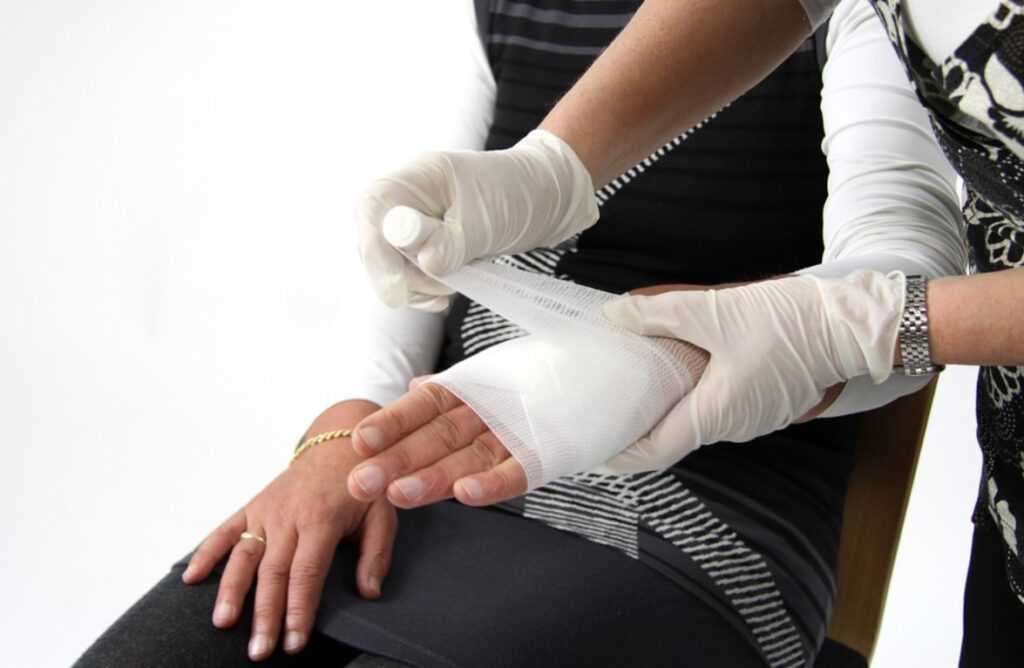
In Mexico and elsewhere in Latin America, traditional use is commonly described as boiling the bark or stem of the plant to prepare a thick poultice that could be placed on the wound. Decoctions of the leaves and bark are also used externally as a wash for skin ulcers, and some practices mix the powdered bark with aloe vera gel for first-degree burns.
Beyond skin use, ethnobotanical sources also mention external washes for vaginal infections, and broader traditional applications for discomfort and inflammation. While there may be a scientific reason behind these traditional uses, they don’t automatically imply proven clinical effects.
In other words, while topical tepezcohuite is biologically plausible and clinically interesting, evidence is still limited and product quality varies widely.
Clinical verdict (practical takeaway)
Tepezcohuite can be used as a topical, supportive ingredient to help reduce minor skin irritation and keep wounds cleaner and less weepy.
Antifungal, antibiotic, antimicrobial, and anti-inflammatory properties
Traditionally, Mimosa tenuiflora is used topically for cuts, burns, ulcers, and other skin lesions, often with the goal of keeping the area clean while supporting the natural healing process. Modern lab research lines up with part of that story: bark extracts show in-vitro antimicrobial activity, and tannins and flavonoids are frequently suggested as contributors to these effects.
That said, it’s not accurate to call it a “natural antibiotic,” and it’s especially not accurate to present it as a proven treatment for conditions like acne, eczema, psoriasis, herpes, or hair loss. Those are medical conditions with multiple causes, and there isn’t solid clinical evidence that tepezcohuite products treat them reliably in people, even if they’re marketed for these uses.
On the anti-inflammatory side, there is an interesting animal study. An aqueous extract of M. tenuiflora reduced inflammatory responses triggered by Tityus serrulatus scorpion venom in mice, including decreases in inflammatory mediators (cytokines) and inflammatory cell migration. This supports an anti-inflammatory signal in a controlled model, but it doesn’t mean the plant is an “antivenom” or a clinically validated therapy for stings in humans.
Finally, antifungal claims need nuance. Some sources report poor antifungal effects against certain pathogenic fungi with specific extracts, while other work suggests the plant may affect toxin production (e.g., aflatoxin pathways) without necessarily stopping fungal growth. In other words, the antifungal effect appears to depend heavily on the extract, the organism tested, and the outcome measured.
Clinical verdict (practical takeaway)
Tepezcohuite may have some astringent and antimicrobial properties, but its antifungal and antinflammatory properties are still uncertain. It cannot be considered an antivenom by any means.
Hallucinogenic properties
Mimosa tenuiflora root bark is widely reported to contain N,N-dimethyltryptamine (DMT), a potent psychedelic tryptamine.
This substance is nearly inactive when swallowed on its own because it’s rapidly broken down during first-pass metabolism by monoamine oxidase (MAO). To be active, a MAO inhibitor (MAOI) must be administered simultaneously, as it happens in many ayahuasca-style combinations. Some authors have speculated that certain jurema preparations might include MAOI activity or additional compounds that change the pharmacology, but this remains largely uncertain.
However, the visionary effects extracts of mimosa may be due to more than just DMT, as other substances such as yuremamine have been found to possess psychotropic properties as well. It is possible that the complex extraction process performed during the religious rites practiced by indigenous populations may serve the purpose of extracting more of these alkaloids, other than being merely ritualistic.
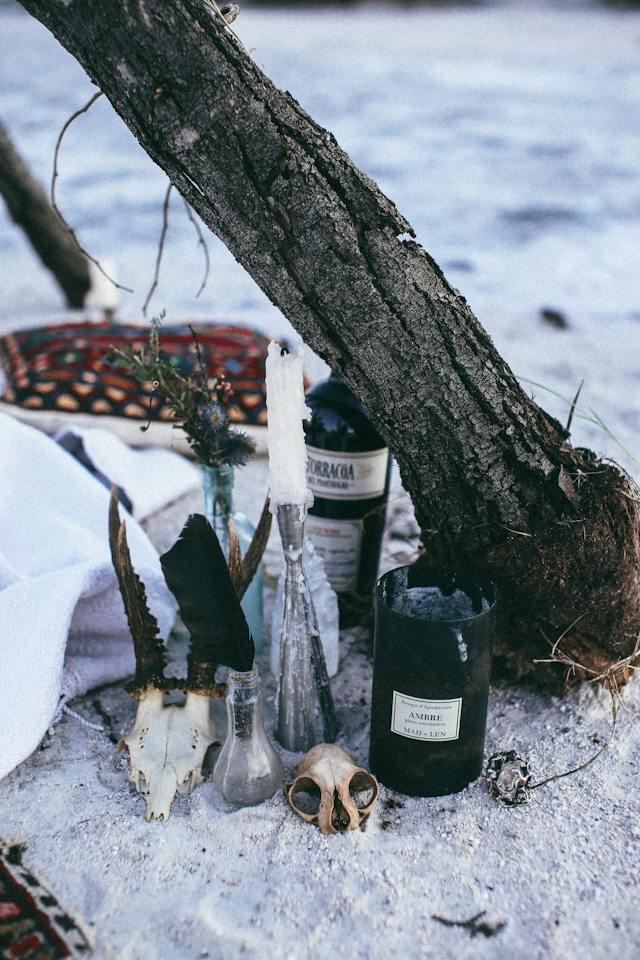
In northeastern Brazil, the plant is associated with jurema (including “vinho da jurema”) in medico-religious contexts. These traditions may describe psychological or spiritual “healing,” but that isn’t the same as clinically proven treatment for depression, trauma, or PTSD.
Clinical verdict (practical takeaway)
It’s safer to treat the psychoactive properties of Mimosa hostilis as high-risk and non-therapeutic. DMT-carries meaningful medical risks, especially for people with psychiatric vulnerability or anyone on serotonergic meds (antidepressants, antianxiety, MAOIs, some migraine meds, etc.).
If you or someone you know is seeking help for trauma or depression, the appropriate path is evidence-based mental health care, not self-experimentation with entheogens.
Oral use and gastrointestinal claims
Some ethnobotanical sources report that bark preparations have been used traditionally for gastrointestinal complaints like reflux (GERD) or duodenal ulcers. Many modern supplements are marketed for stomach or intestinal issues, but there’s no evidence to support any of these claims.
Matter of fact, calling Mimosa tenuiflora “a delicious and healthy food” isn’t a credible nor responsible claim. Sporadic users refer mimosa bark teas doesn’t cause nausea or vomiting and can be brewed with other ingredients such as lemon juice and honey. However, there’s no solid clinical evidence showing that ingesting mimosa bark is safe, well-tolerated, or beneficial as a “health drink.”
Clinical verdict / practical takeaway: internal use is not a safe recommendation based on current evidence. If your reader’s goal is gut symptom relief (heartburn, diarrhea/constipation, IBS-like cramping, ulcer symptoms), the sensible guidance is: don’t self-treat with mimosa bark—use evidence-based options and get evaluated if symptoms persist, worsen, or include red flags (bleeding, weight loss, persistent vomiting, severe pain). For mimosa/tepezcohuite, the more defensible discussion remains topical use, where limited (and mixed) human data exists in wound-care settings.
Clinical verdict (practical takeaway)
Oral or internal use is neither safe nor recommended based on current evidence.
Safety precautions
Here are a few safety notes you should read before trying Mimosa hostilis.
- Tepezcohuite is mostly safe only when used topically. Avoid using it orally or internally, unless a clinician tells you otherwise.
- Even natural extracts can irritate or cause allergic reactions. Stop treatment immediately and seek medical attention if you get burning, swelling, worsening redness, or blistering.
- Don’t use it for serious wounds. If a wound is deep, spreading, hot/painful, oozing pus, or not improving within a few days, use proper wound care and get medical advice.
- It should never replace infection control or compression therapy, especially if you have diabetes/poor circulation.
- Do not use it in pregnant or breastfeeding women. There isn’t good safety data, and caution is consistently recommended.
History and botanical classification of Mimosa Hostilis
Mimosa hostilis belongs to the Mimosoideae subfamily, a group of legumes (Fabaceae) just like the common peas and beans you bring to your table. The whole genus includes roughly 600 species, and should not be confused with the mimosa tree that, albeit being a Fabacea as well, is a different plant, the Albizia julibrissin (silk tree).
The name mimosa comes from the Greek mimos (“mime/actor”), a reference to the “sensitive” leaf movements seen in some Mimosa species, where leaflets fold in response to touch or other stimuli.
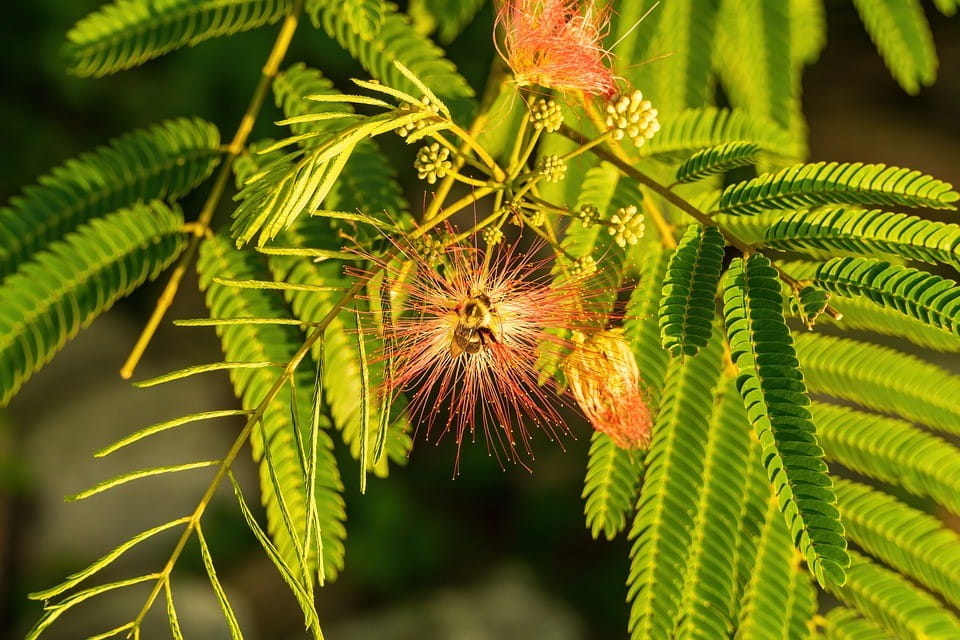
The Mimosa species primarily inhabits the New World (South and Central America), but can be also found in North America and thorough Asia, from India to China as well. Botanically, Mimosa plants are typically recognized by fine, fern-like bipinnate leaves, clusters of small flowers (often pink or white), and seed pods typical of legumes. Many species thrive in warm climates and some readily colonize disturbed ground, which is why you’ll often see them along roadsides or in open scrub.
Traditional and historical uses
Mimosa hostilis (syn. Mimosa tenuiflora) has a long ethnobotanical history in northeastern Brazil and in parts of southern Mexico. The plant is known by several regional names, including jurema (jurema-preta) in Brazil and tepezcohuite in Mexico, as well as calumbi, carbonal, and cabrera.
In northeastern Brazil, M. tenuiflora is also associated with the Culto da Jurema, where jurema preparations are described in the literature as part of ceremonial practice. Some accounts describe the bark being slow-cooked for a long time in a dedicated clay pot, often alongside ritual elements such as tobacco and candles. Jurema wine (often called anjucá or ajucá) was made by the Truka, Pankararu, Atikum and Kambiwa tribes. Today, these rites are commonly linked to the Toré festival, where songs and ritual actions honor religious entities and ancestral figures.
Outside ritual contexts, the plant has also been valued for practical reasons. It’s used as fuelwood and for posts/fencing, and its bark’s high tannin content is one reason it’s been used as a natural dye and in leather-related applications.
Finally, while folklore medicine attributes many healing effects to jurema or tepezcohuite, modern research is uneven. Some preclinical (lab or animal) studies suggest anti-inflammatory and pain-reducing activity from bark extracts, but this does not automatically translate into proven clinical outcomes for people.
Dye properties
Mimosa hostilis root bark powder has immense value as a dye, as it produces excellent shades of purples, indigo and browns. Thanks to the high content in tannins, pigments are vibrant, which makes it a superbly versatile textile dye that provides satisfying results.
Depending on the dye itself, the amount you use, and the method of dying – using Mimosa hostilis root bark powder can give you different shades from light reds to rich purples, and everything in between. The longer the powder is left to boil in the water, and the longer is the textile left soaked in that water, the stronger will be the intensity of the shading. Mimosa root bark can be used to dye either textiles or tan leather.
About the author:

Dr. Claudio Butticè, Pharm.D., is a former Pharmacy Director who worked for several large public hospitals in Southern Italy, as well as for the humanitarian NGO Emergency. He is now an accomplished book author who has written on topics such as medicine, technology, world poverty, human rights, and science for publishers such as SAGE Publishing, Bloomsbury Publishing, and Mission Bell Media. His latest books are “Universal Health Care” (2019) and “What You Need to Know about Headaches” (2022). A data analyst and freelance journalist as well, many of his articles have been published in magazines such as Cracked, The Elephant, Digital Journal, The Ring of Fire, and Business Insider. Dr. Butticè also published pharmacology and psychology papers on several clinical journals, and works as a medical consultant and advisor for many companies across the globe.
References
- Majeed, I. et al. (2021) ‘A comprehensive review of the ethnotraditional uses and biological and pharmacological potential of the genus mimosa’, International Journal of Molecular Sciences, 22(14), p. 7463. doi:10.3390/ijms22147463.
- Amariz, I.A. et al. (2020) ‘Chemical Study of mimosa tenuiflora barks’, Natural Product Research, 36(7), pp. 1893–1897. doi:10.1080/14786419.2020.1813135.
- Magalhães, F.E. et al. (2018) ‘Orofacial antinociceptive effect of mimosa tenuiflora (Willd.) poiret’, Biomedicine & Pharmacotherapy, 97, pp. 1575–1585. doi:10.1016/j.biopha.2017.11.001.
- Ferreira, T.L. and Evangelista, A.J. (2021) ‘Mimosa tenuiflora’s antimicrobial activity on bacteria and fungi from medical importance: An integrative review’, Archives of Microbiology, 203(6), pp. 3399–3406. doi:10.1007/s00203-021-02330-6.
- Bitencourt, M.A. et al. (2014) ‘Neutralizing effects of mimosa tenuiflora extracts against inflammation caused by tityus serrulatus scorpion venom’, BioMed Research International, 2014, pp. 1–8. doi:10.1155/2014/378235.
- Rivera-Arce A et al (2007) Therapeutic effectiveness of a Mimosa tenuiflora cortex extract in venous leg ulceration treatment. J Ethnopharm 109:523-528
- Cruz, M.P. et al. (2016) ‘Antinoceptive and Anti-inflammatory Activities of the Ethanolic Extract, Fractions and Flavones Isolated from Mimosa tenuiflora (Willd.) Poir (Leguminosae)’, PLoS One, Mar 8;11(3):e0150839. doi: 10.1371/journal.pone.0150839.
- Erkan G., Şengül K., Kaya S. Dyeing of white and indigo dyed cotton fabrics with Mimosa tenuiflora extract. J. Saudi Chem.Soc. 2014;18:139–148. doi: 10.1016/j.jscs.2011.06.001.
Frequently Asked Questions (FAQs)
What is tepezcohuite?
Tepezcohuite is a common name (especially in Mexico) for Mimosa tenuiflora bark preparations. It’s most often sold as powdered bark or bark extract in topical products. It’s traditionally associated with skin support (minor wounds, burns, irritation), and today it’s mainly found in cosmetics like creams, soaps, and lotions.
Is Mimosa hostilis the same as Mimosa tenuiflora?
In most commercial and online contexts, yes: “Mimosa hostilis” is widely used as a synonym/trade name for Mimosa tenuiflora. Botanically, M. tenuiflora is the preferred scientific name.
What part of the plant is used in skincare—bark or root bark?
For skincare, you’ll typically see bark (stem bark) listed as powder or extract (e.g., Mimosa tenuiflora bark extract). Some sellers emphasize root bark, but the cosmetic/cosmeceutical use case is generally tannin-rich bark preparations used topically.
Does tepezcohuite help with scars?
It might help the skin look smoother indirectly if it supports hydration and barrier repair, but the honest answer is: there’s no strong clinical evidence that tepezcohuite reliably improves scars the way proven options can (e.g., silicone gel/sheets for some scar types). Most “scar fading” claims are marketing extrapolations from traditional wound-use narratives, not robust human trials.
Is Mimosa hostilis legal to buy or ship?
It depends on where you live and how it’s marketed/handled. DMT is a controlled substance in many jurisdictions (including under U.S. federal law), and products associated with DMT extraction can create legal risk even if the plant itself isn’t explicitly listed everywhere. If legality matters, check your local controlled-substances rules and import/customs policies before buying or shipping.
Article published on July 24, 2020 and updated on January 14, 2026