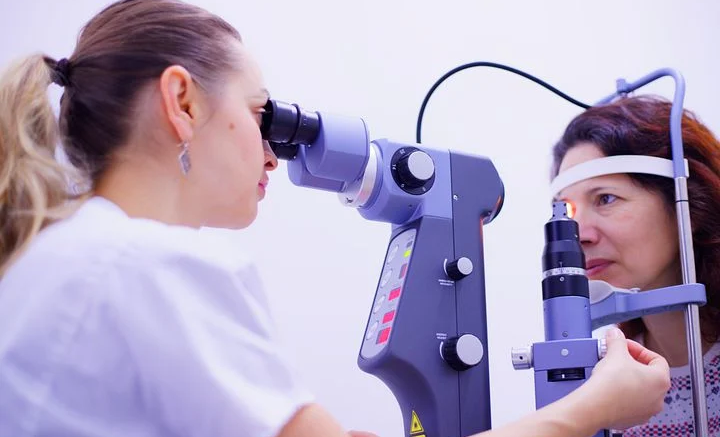
Eye care is not just about getting new glasses. It involves protecting your vision over your entire lifetime.
Comprehensive eye care combines preventive exams, diagnosis, medical treatment, surgery, and follow-up. Intermountain Eye Center is one example of this coordinated approach. Its team includes specialists such as dr. Reynolds eye doctor, who has advanced expertise in glaucoma care and cataract surgery. The center also provides routine eye exams, treatment for retinal and corneal disorders, LASIK, PRK, ICL, optical services, and specialized oculoplastic care.
By offering many services within one practice, a comprehensive eye center can help patients protect their sight and manage changing vision needs over time. Care can range from a basic checkup to advanced surgery.
The Foundation of Eye Health
Comprehensive care begins with prevention. Routine eye exams are the first step in catching potential problems early. During a standard exam, a specialist checks your visual acuity and the physical health of your eyes. Many silent diseases start without any symptoms. Regular checkups ensure these conditions are caught before they cause permanent damage.
Full-service centers also feature comprehensive optical services. Once your exam is complete, you can select frames or contact lenses in the same building. Opticians work closely with your doctor to ensure your prescription is perfect. This collaboration guarantees that your corrective lenses fit your specific lifestyle and visual needs.
Updating Glasses and Contact Lenses
An eye exam also helps ensure that glasses or contact lenses provide clear and comfortable vision. Optical care can include prescription lenses, frame selection, contact lens fittings, and specialty lenses for people with dry eye, astigmatism, or other needs.
Advanced Medical and Surgical Treatments
Sometimes patients need more than a new pair of glasses. Comprehensive clinics offer specialized treatments for severe eye conditions.
Managing Chronic Eye Diseases
As we age, the risk of developing serious eye conditions increases. Comprehensive centers offer medical and surgical interventions for cataracts and glaucoma. They also treat complex retinal and corneal disorders. Cataract surgery replaces a cloudy natural lens with a clear artificial one. Glaucoma treatments relieve pressure inside the eye to prevent optic nerve damage. Having these advanced options available locally means patients receive expert medical care quickly.
Modern Vision Correction
Many patients want to reduce their dependence on glasses or contacts. Refractive procedures offer a permanent solution for poor vision. Top clinics provide multiple surgical options:
- LASIK to reshape the cornea using precise laser technology.
- PRK for patients who may not be ideal candidates for LASIK flaps.
- ICL (Implantable Collamer Lenses) for those with high prescriptions.
Your doctor will evaluate your eye structure to determine the safest and most effective procedure for you.
Refractive Procedures for Clearer Vision
Refractive surgery can reduce dependence on glasses or contact lenses. LASIK reshapes the cornea with a laser. PRK is another laser-based option and may suit some patients who are not good candidates for LASIK.
ICL surgery places an implantable lens inside the eye without removing the natural lens. It may be considered for people with higher prescriptions or certain corneal features. A detailed evaluation is needed to determine which option is safest.
Specialized Oculoplastic Services
Oculoplastic care focuses on the eyelids, tear ducts, eye socket, and nearby facial tissues. Treatment may be needed for drooping eyelids, blocked tear ducts, abnormal eyelid position, injuries, growths, or age-related changes that affect vision or comfort.
Protecting Your Vision for Life
Your eyesight is precious. A comprehensive approach to eye care ensures that every aspect of your vision is protected. From your first pair of glasses to advanced surgical treatments, a full-service clinic meets all your visual needs. By choosing a comprehensive provider, you build a lasting relationship with experts who understand your unique medical history. This continuity of care is the absolute best way to maintain long-term visual clarity and protect your overall eye health.