
A surgeon finishes a 14-hour shift and goes home to a bottle of scotch. An ER physician takes Valium to sleep, then Adderall to wake up, gradually increasing the dose of both over the course of years as his tolerance grows. An anesthesiologist who is experiencing anxiety diverts Xanax from the hospital pharmacy, telling herself it’s just to take the edge off between cases.
These aren’t hypotheticals. In nearly 40 years working with people struggling with addiction, I’ve seen this pattern among physicians. The profession that dedicates itself to healing others is unfortunately sacrificing its own members to substance use disorders—and the system meant to support doctors driving them into hiding.
The Numbers We Don’t Talk About
A national study found that 12.9% of male physicians and 21.4% of female physicians meet diagnostic criteria for alcohol abuse or dependence. One study of 55 physicians being monitored by a state physician health program found that 69.1% had history of misusing prescription drugs.
Physicians have access to prescription medications that most people don’t. They work in environments where opioids, benzodiazepines, and stimulants are readily available. They write their own prescriptions or know colleagues who will.
The drugs of choice follow patterns of what’s most easily accessible. Anesthesiologists have disproportionately high rates of opioid use disorders because they are around these substances daily. Surgeons and emergency medicine physicians have high rates of alcohol use disorder, due to extreme stress and irregular hours. Psychiatrists aren’t immune either—they understand psychopharmacology well enough to self-medicate in ways that seem controlled until they’re not.
Unfortunately, there are also mental health issues in this high-stress profession. Physicians die by suicide at rates much higher than the general population. Between 300 and 400 doctors take their own lives each year. That’s roughly one per day. Many of those deaths involve untreated or inadequately treated substance use disorders and co-occurring mental health conditions.
The Stigma Problem
Let me be direct about why physicians don’t seek treatment: they’re afraid it will end their careers. And, unfortunately, that fear is not completely unfounded. But, the key is to get help before the crisis occurs.
The message is clear: don’t get caught. Once the DUI, or the overdose, or the arrest for falsifying prescriptions happens, then state medical boards have the authority to suspend or revoke licenses. Hospital credentialing committees can deny privileges. Malpractice insurance carriers can refuse coverage or dramatically increase premiums. Even if you complete treatment successfully, the documentation follows you. Every credentialing application asks about substance use treatment. Every licensing renewal requires disclosure.
This creates a catastrophic incentive structure. Doctors continue using at problematic levels because seeking help feels riskier than continuing to function while impaired. They believe—often correctly—that they can manage it themselves. They’re highly intelligent, well-trained in medicine and pharmacology. Surely they can taper themselves off, cut back on their own, get it under control without involving anyone else. By the time that strategy fails, the problem is usually much worse.
Where The FAA Got It Right
Compare this to how aviation handles substance use among pilots. The FAA and airlines have established clear pathways for pilots to seek treatment confidentially, get the help they need, and return to flying with appropriate monitoring. The system recognizes that punishing people for seeking help is counterproductive and dangerous.
First responders have similar programs in many jurisdictions. Firefighters and law enforcement officers can access treatment through specialized channels that protect their careers while ensuring accountability and public safety.
Medicine has nothing comparable at a systemic level. Some state medical societies have Physician Health Programs (PHPs), but these vary wildly in quality and approach. Many are punitive rather than supportive. Some lack the resources to provide adequate treatment. Others have such stringent monitoring requirements that physicians avoid them entirely.
There needs to be a standardized, national framework that allows a physician to seek treatment confidentially, receive evidence-based care, and return to practice with reasonable safeguards. Each doctor navigating this crisis is essentially on their own.
The Infrastructure Gap
Here’s what physicians need but rarely find: outpatient treatment programs designed specifically for healthcare professionals, with evening or weekend sessions that accommodate clinical schedules. Treatment that understands the specific pressures of medical practice—the sleep deprivation, the life-or-death decision-making, the emotional toll of patient suffering and death.
The average addiction treatment program is designed for people aged 18-30 and isn’t a great fit for physicians. programs requiring 30-90 days away from practice aren’t realistic for most doctors, especially those in private practice or smaller group settings.
Physicians are accustomed to being the most knowledgeable person in the room. It helps them to work with treatment providers who understand medicine, who can engage with them at their level without talking down to them.
The Human Cost of Maintaining Silence
The consequences of this system failure extend far beyond individual physicians.
Patient safety is compromised when impaired doctors continue practicing. Substance use disorders affect judgment, reaction time, and decision-making. A surgeon operating while impaired puts patients at risk. An emergency physician making treatment decisions while withdrawing from alcohol is dangerous. The profession’s code of silence around substance use creates preventable harm.
The healthcare system loses talented, experienced providers who could have been saved with appropriate intervention. A doctor who dies by suicide or loses their license represents not just a personal tragedy but also years of training and expertise that society desperately needs. We’re facing physician shortages across multiple specialties. We can’t afford to lose people who could have been helped.
Finding a Treatment Approach That Physicians Will Respond To
Treatment for physicians needs to provide effective, evidence-based care for the addiction while keeping the doctor invested in the process. Outpatient programs that work around clinical schedules are effective for physicians. Evening sessions allow doctors to maintain their daytime practices. Confidentiality must be maintained to protect the doctors’ careers.
Physicians should be treated as intelligent professionals who have a medical condition rather than moral failures. The clinical approach should respect their medical knowledge while addressing the psychological factors driving their substance use. Group therapy with other high-functioning professionals creates peer support from people who understand the specific pressures.
Accreditation matters too. Joint Commission accreditation signals to medical boards that the treatment program meets rigorous standards. This can make the difference in how boards view a physician’s treatment history when considering license applications or renewals.
At Confidential Recovery, we’ve worked with physicians, nurses, and other healthcare professionals who needed treatment that understood their professional reality. The approach recognizes that seeking help is an act of professional responsibility, not an admission of weakness. It’s protecting your ability to practice medicine safely over the long term.
Changing the Medical System’s Approach to Helping Doctors
The medical profession should evolve how it handles substance use disorders among its members. Using the FAA as a model, state medical boards should create standardized pathways for physicians to seek treatment confidentially and return to practice with appropriate monitoring. Hospitals need non-punitive reporting mechanisms that encourage early intervention rather than waiting for disasters. Medical schools and residency programs should normalize discussions about mental health and substance use from day one.
But culture change takes time. What you can control right now is your own decision about whether to address problematic substance use before it costs you everything.
The First Step is Admitting a Problem
If you’re a physician struggling with alcohol, prescription medications, or other substances, you’re not alone. The profession’s silence around this issue makes it feel isolating, but the statistics tell a different story. Thousands of your colleagues are facing the same crisis.
The fear of professional consequences is real. But the consequences of continuing to use while impaired are also real—and often worse. Patient harm. License loss after a catastrophic mistake. Overdose. Suicide.
There are treatment options designed for healthcare professionals that protect your career while addressing the underlying problem. The first step is acknowledging that what you’re doing isn’t sustainable. The second step is reaching out to someone who understands the specific challenges physicians face.
Your medical license is important. Your clinical skills represent years of training and dedication. But none of that matters if you’re too impaired to practice safely.
Treatment isn’t failure. It’s the smartest risk management decision you can make. It’s choosing to address a problem before it grows into something that destroys your career, your relationships, and potentially your life.
There are people who specialize in helping physicians navigate this exact situation—confidentially, professionally, and effectively. Your patients need you healthy and functioning. Your family needs you alive. And you deserve better than suffering in silence. Help and hope is available. Reach out today.
About the Author
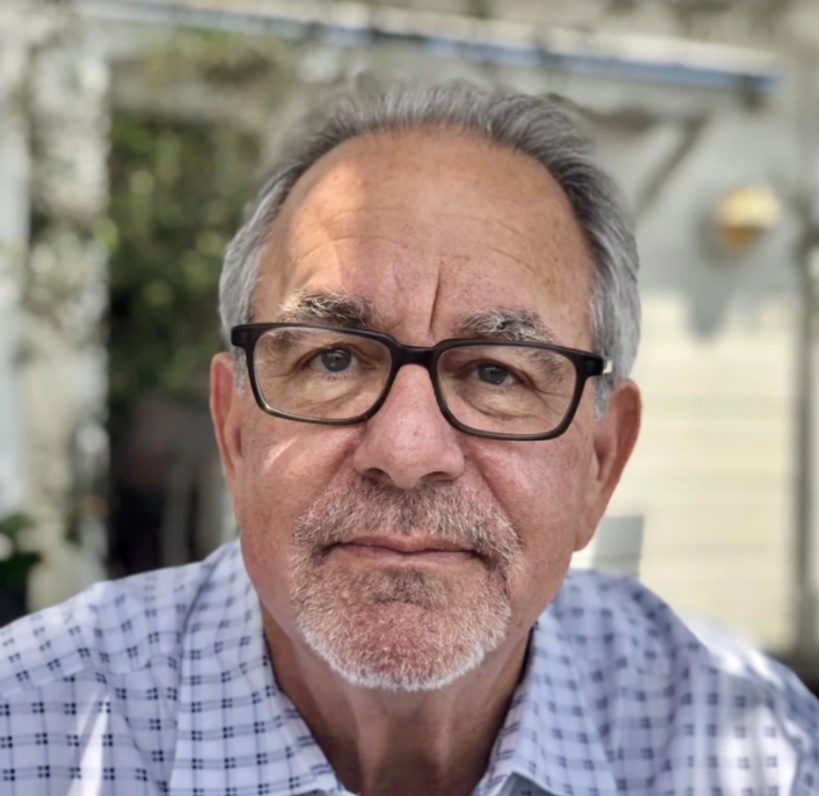
Scott H. Silverman is an acclaimed author and the Founder and CEO of Confidential Recovery, a San Diego outpatient addiction treatment center for doctors and other professional adults. With nearly 40 years of experience in addiction and recovery, Scott was honored by the City of San Diego with “Scott H. Silverman Day” in for his contributions to the field.