Kratom – a plant-based substance that’s sparked a whole lot of debate and confusion in Canada. Some people view the sale of it online as no problem, while others hear warnings that it’s somehow “illegal” or even banned by Health Canada. So what’s the deal?
The main reason for the confusion is that kratom exists in a bit of a grey area. It isn’t treated like those hard-core illicit drugs like cocaine or heroin – but it’s not being freely regulated like coffee or herbal tea either. This article breaks down the nuts and bolts of where kratom stands in Canada in 2026, taking a look at federal drug laws, health regulations, and why enforcement can be a real mixed bag. By the end of it, you’ll have a clear idea of what is and isn’t allowed, and why kratom remains so contentious.
What Is Kratom?
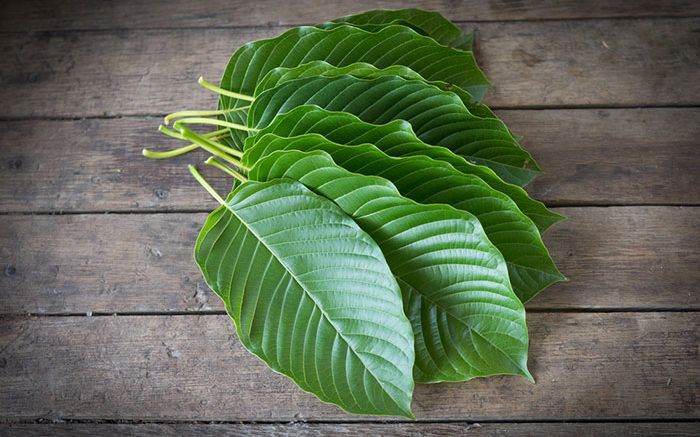
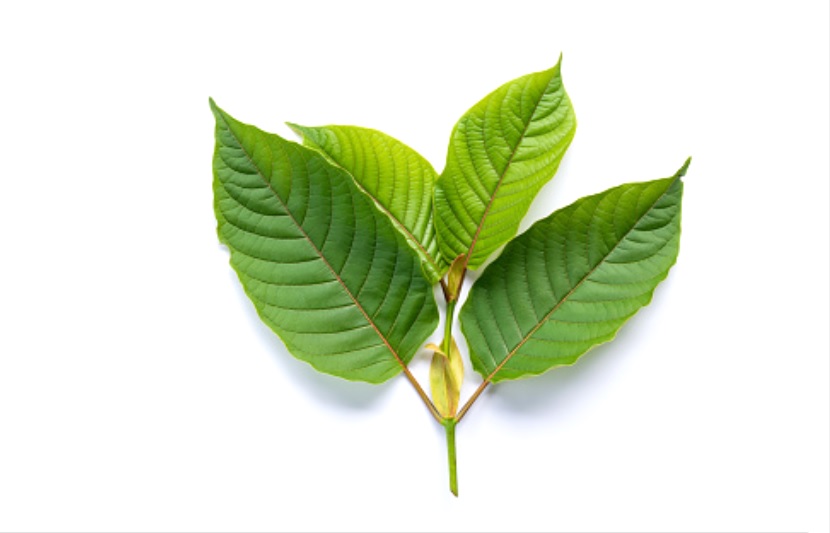
Kratom actually comes from the leaves of Mitragyna speciosa, a tropical tree that’s a close relative of coffee. The tree grows naturally in Southeast Asia – countries like Thailand, Indonesia, Malaysia and Papua New Guinea are all home to these trees.
For a long time, locals would chew the leaves or brew them into a tea to help get through long working hours – it was pretty much a standard part of everyday life for labourers and farmers. You could say it was a cultural thing – not a “cure” in the western sense of the word. In Canada, kratom gained popularity over the past decade largely through online communities and alternative wellness spaces. Many Canadians became interested in plant-based products that fall outside of conventional pharmaceuticals, especially those rooted in long-standing traditional use. The rise of e-commerce also made kratom more visible and accessible, adding to public curiosity. If you are looking for a trusted source, you can Buy Kratom Canada from reputable vendors like Green Maeng Da, known for its quality and consistency.
Kratom Legal Status in Canada 2026: Understanding Federal Law and Health Regulations
When it comes to federal law in Canada, drug legality is all sorted out by the Controlled Drugs and Substances Act (CDSA). This is the law that says what substances are on the “no go” list for possession, sale or distribution without permission.
As of 2026, kratom isn’t listed under the CDSA. So it’s not a controlled or scheduled drug in Canada, and if you are found to be possessing it – you’re not automatically breaking the law.
However, just because kratom isn’t on the CDSA list doesn’t mean it’s totally legal all the time. When we talk about criminal law, we’re talking about punishment, not health and safety. Health Canada on the other hand looks after consumer safety and product regulations. While its true that kratom isn’t illegal under the law, it’s still under Health Canada’s watch when it comes to sales, marketing and making it available for people to buy.
In simple terms:
- Criminal law: Kratom isn’t banned.
- Health regulation: Kratom is restricted – and there are specific rules about how its sold and promoted.
Health Canada’s Official Position on Kratom
Health Canada has classified kratom ( Mitragyna speciosa ) as an Unauthorized Health Supplement rather than a permitted herbal supplement. And unlike other products of its kind, kratom doesn’t have a Natural Product Number (NPN) which is basically a prerequisite for getting something on store shelves in Canada.
As a result, Health Canada has issued warnings saying that kratom could easily cause serious health problems if taken or inhaled – citing fears over things like queasy stomachs, dependence and more. Because of this, kratom is not allowed to be sold or marketed as a consumable, even though technically it’s not against the law to possess it. This stance explains why kratom has not been approved, despite getting pretty popular.
Why Kratom Exists in a Legal Gray Area?
The situation in Canada leaves a bit of a grey area. Canadians are technically free to keep kratom in their possession – but selling it for people to use is off-limits. Vendors basically have to comply with Health Canada’s rules by labelling their kratom as being for research or for some other non-consumptive reason, even though the customers mostly intend to use it on themselves.
Though kratom is not officially banned, its sale and marketing come with tight restrictions. It’s worthwhile to note that the Canadian government comes down on this point: kratom is legal to own, but to sell or market it for human consumption is wrong. It’s a pretty fine line. For those curious about how kratom interacts with other substances, see this article on kratom and alcohol for more information.
Is It Legal to Buy Kratom in Canada?
Yes — purchasing kratom for personal use is generally legal, as long as it is not sold for human consumption. Online vendors make kratom widely accessible, but it’s important to ensure compliant labeling. Reputable stores, like Canadakratomstore.com, clearly label products for research purposes to adhere to Canadian regulations.
Among the most popular products, Green Maeng Da kratom is Canadakratomstore’s best seller, prized for its consistent quality, potency, and reliability.
Is It Legal to Sell Kratom in Canada?
Selling kratom for human consumption in Canada is strictly prohibited. Vendors are not allowed to make any medical, therapeutic, or health-related claims about kratom, and any product intended for ingestion may draw the attention of Health Canada. This means that while Canadians can legally own and buy kratom for personal use, selling it as a consumable product carries real legal risks.
Health Canada has actively enforced these rules. A notable example occurred in 2017 when “Sāj” kratom products were seized from stores in Edmonton, highlighting the agency’s strict stance on unauthorized natural health products. Such actions show that non-compliance can result in product confiscation, fines, and potential legal repercussions for vendors.
To operate legally, responsible sellers have adapted by marketing kratom for non-consumptive purposes only—for instance, labeling products for research, aromatherapy, or other industrial uses. They also include clear warnings that the product is not for human consumption and avoid making any health-related statements. These practices allow vendors to remain compliant with Canadian regulations while still offering kratom to consumers in ways that follow the law.
It’s important for anyone considering selling kratom in Canada to understand these restrictions. Non-compliant sales can lead to enforcement actions that affect not only the vendor but also the broader perception of kratom in the market. By following Health Canada guidelines, sellers can provide safe, legal access to kratom products without violating federal regulations.