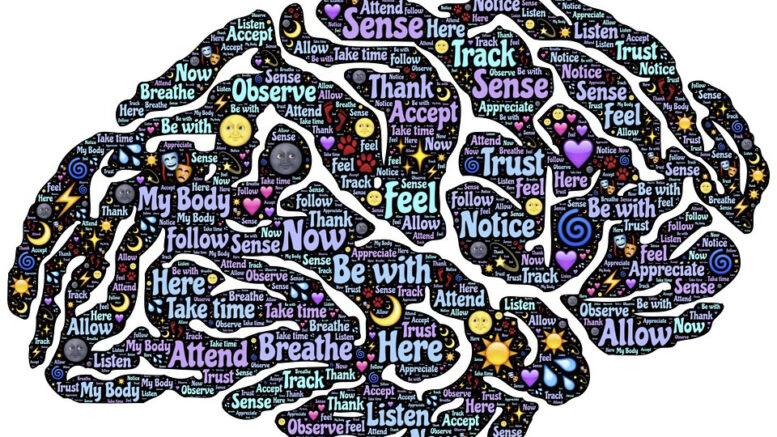
You’ve probably heard the phrase “mind-body connection” thrown around in wellness circles, but have you ever stopped to consider what it truly means for your daily life? Your mental health isn’t just about feeling happy or sad—it’s intricately woven into every aspect of your physical wellbeing, from how well you sleep to how your immune system functions. Yet despite this profound connection, many of us still treat mental health as an afterthought, something to address only when things become unbearable.
The truth is, your brain is an organ just like your heart or lungs. When you wouldn’t ignore chest pain or difficulty breathing, why would you dismiss persistent anxiety, overwhelming sadness, or the inability to concentrate? Your mental health deserves the same proactive care and attention you’d give to any other part of your body. Understanding this isn’t just about changing your mindset—it’s about fundamentally transforming how you approach your overall wellness.
Breaking Down the Stigma That Holds You Back
Let’s address the elephant in the room: stigma. Even in 2025, there’s still an invisible barrier that prevents many people from seeking help for mental health challenges. You might worry about what others will think, whether it makes you appear weak, or if acknowledging your struggles means admitting defeat. These concerns are valid—not because they’re true, but because society has conditioned us to feel this way.
Here’s what you need to know: seeking support for your mental health is one of the strongest, most courageous decisions you can make. It takes incredible self-awareness to recognize when something isn’t right and even more strength to reach out for help. Think about it this way—if you broke your leg, you wouldn’t try to “tough it out” or wait for it to heal on its own. You’d see a doctor, follow a treatment plan, and give yourself time to recover. Your mental health deserves that same level of care and respect.
The stigma persists partly because mental health challenges are invisible. You can’t see anxiety the way you can see a physical injury, which makes it easier for others to dismiss or minimize. But just because something isn’t visible doesn’t mean it isn’t real or serious. Your experiences are valid, your feelings matter, and you deserve comprehensive support that addresses both your immediate needs and long-term wellness.
Recognizing When You Need More Support
One of the most challenging aspects of mental health is knowing when you’ve crossed the line from normal stress into something that requires professional attention. Life throws challenges at everyone—work pressure, relationship difficulties, financial worries—but how do you know when these normal stressors have evolved into something more serious?
Pay attention to changes in your daily functioning. Are you struggling to get out of bed most mornings? Have you lost interest in activities that used to bring you joy? Are you finding it difficult to concentrate at work or maintain relationships? These aren’t signs of weakness or character flaws—they’re signals from your body and mind that something needs attention.
Physical symptoms often accompany mental health challenges. You might experience persistent headaches, digestive issues, changes in appetite, or unexplained aches and pains. Your sleep patterns might shift dramatically—either sleeping too much or struggling with insomnia. These physical manifestations are your body’s way of communicating that your mental health needs care.
Another important indicator is how you’re coping with stress. If you find yourself increasingly relying on substances, withdrawing from social connections, or engaging in risky behaviors, these are red flags that shouldn’t be ignored. Your coping mechanisms reveal a lot about your mental state, and recognizing unhealthy patterns is the first step toward making positive changes.
Understanding Your Treatment Options
When you decide to prioritize your mental health, you’ll discover there’s no one-size-fits-all approach to treatment. The good news is that this means you can find a path that works specifically for you, your lifestyle, and your unique circumstances. Understanding the different levels of care available helps you make informed decisions about what might serve you best.
Traditional therapy—whether individual, group, or family-based—forms the foundation of many mental health treatment plans. Working with a therapist provides you with a safe space to explore your thoughts, feelings, and behaviors while developing healthier coping strategies. Therapy isn’t about having someone fix you; it’s about gaining tools and insights that empower you to navigate life’s challenges more effectively.
For some people, medication plays an important role in managing mental health conditions. Antidepressants, anti-anxiety medications, or mood stabilizers can help regulate brain chemistry, making it easier to engage in therapy and daily life. There’s no shame in needing medication—your brain is an organ that sometimes needs medical support, just like any other part of your body.
When you’re dealing with more significant challenges, particularly those involving co-occurring issues like substance use alongside mental health conditions, you might benefit from structured programs that provide intensive support. These approaches, such as intensive outpatient strategies, offer comprehensive care while allowing you to maintain your daily responsibilities. This middle ground between traditional weekly therapy and residential treatment can be particularly effective when you need more support than standard outpatient care provides but don’t require 24-hour supervision.
Holistic approaches complement traditional treatment methods beautifully. Practices like mindfulness meditation, yoga, art therapy, or nature-based activities can enhance your overall wellness journey. These aren’t replacements for professional treatment, but they’re valuable tools that support your mental health alongside evidence-based interventions.
The Role of Lifestyle in Mental Wellness
While professional treatment is crucial for many mental health conditions, your daily habits and lifestyle choices play a significant role in supporting your overall mental wellness. Think of these practices as the foundation upon which your treatment plan builds—they create the conditions for healing and growth.
Sleep might be the most underrated aspect of mental health. When you’re not getting quality rest, everything else becomes harder. Your mood regulation suffers, your stress tolerance decreases, and your ability to cope with challenges diminishes. Prioritizing consistent sleep schedules, creating a restful environment, and addressing sleep disorders when they arise isn’t optional—it’s essential for mental wellness.
Movement and physical activity directly impact your mental state. You don’t need to become a marathon runner or gym enthusiast to experience the benefits. Regular walks, gentle stretching, dancing in your living room, or any form of movement that you enjoy can significantly improve your mood, reduce anxiety, and boost your overall sense of wellbeing. Exercise releases endorphins, improves sleep quality, and provides a healthy outlet for stress and tension.
Nutrition matters more than you might think. Your gut and brain are constantly communicating through what scientists call the gut-brain axis. What you eat influences your mood, energy levels, and mental clarity. You don’t need to follow a perfect diet, but being mindful about nourishing your body with whole foods, staying hydrated, and limiting substances that negatively impact your mental state makes a real difference.
Social connection serves as a protective factor for mental health. Humans are inherently social creatures, and meaningful relationships provide support, purpose, and joy. Even if you’re introverted or struggling with social anxiety, maintaining some level of connection—whether through close friendships, family relationships, support groups, or community involvement—supports your mental wellness.
Building Your Support System
You don’t have to navigate mental health challenges alone, and frankly, you shouldn’t try to. Building a robust support system creates a safety net that catches you when you’re struggling and celebrates with you during victories, no matter how small they might seem.
Your support system might include mental health professionals like therapists, psychiatrists, or counselors who provide clinical expertise and evidence-based treatment. These professionals offer objective perspectives and specialized knowledge that friends and family, no matter how well-meaning, simply can’t provide.
Peer support—connecting with others who’ve faced similar challenges—offers unique benefits. Support groups, whether in-person or online, create spaces where you don’t have to explain yourself or justify your experiences. Other people who’ve walked similar paths understand in ways that others can’t, and their insights and encouragement can be incredibly validating and helpful.
Don’t underestimate the importance of trusted friends and family members who respect your journey and offer non-judgmental support. These are the people you can call at 2 AM when you’re struggling, who check in on you regularly, and who remind you of your strength when you’ve forgotten. Be selective about who you include in this inner circle—quality matters far more than quantity.
Sometimes your support system includes practical helpers—people who assist with daily tasks when you’re overwhelmed. This might be someone who brings you meals when cooking feels impossible, helps with childcare during therapy appointments, or simply sits with you when you don’t want to be alone. Accepting this kind of help isn’t weakness; it’s wisdom.
Creating Sustainable Mental Health Practices
The goal isn’t just to address immediate mental health challenges—it’s to develop sustainable practices that support your wellbeing long-term. Think of mental health care as ongoing maintenance rather than a one-time fix. Just as you brush your teeth daily to prevent cavities, regular mental health practices prevent small issues from becoming major crises.
Developing self-awareness forms the cornerstone of sustainable mental health. This means regularly checking in with yourself, noticing patterns in your thoughts and behaviors, and recognizing early warning signs when things start to shift. You might keep a journal, use mood-tracking apps, or simply set aside time for reflection. The method matters less than the consistency.
Establish boundaries that protect your mental health. This might mean saying no to commitments that drain you, limiting time with people who negatively impact your wellbeing, or setting limits around work hours and availability. Boundaries aren’t selfish—they’re essential for maintaining the energy and emotional capacity to show up fully in the areas of life that matter most to you.
Create rituals and routines that anchor your day and provide structure. This might include morning meditation, evening walks, regular therapy appointments, or weekly check-ins with your support system. These consistent practices provide stability and predictability, which can be especially comforting when life feels chaotic or overwhelming.
Build flexibility into your mental health approach. What works during one season of life might not serve you in another. Stay open to adjusting your strategies, trying new approaches, and adapting your support system as your needs evolve. Mental health care isn’t static—it grows and changes with you.
The Power of Self-Compassion
Perhaps the most important element of mental health care is how you treat yourself throughout the journey. Self-compassion—the practice of extending the same kindness and understanding to yourself that you’d offer a good friend—can transform your relationship with your mental health.
You’re going to have difficult days. There will be setbacks, moments when you feel like you’re back at square one, and times when progress feels impossibly slow. During these moments, resist the urge to criticize yourself or label your struggles as failures. Instead, acknowledge that healing isn’t linear, that setbacks are part of the process, and that you’re doing the best you can with the resources and understanding you have right now.
Notice your self-talk. Would you speak to someone you care about the way you speak to yourself? If not, it’s time to adjust your internal dialogue. Replace harsh criticism with gentle encouragement. Instead of “I’m so stupid for feeling this way,” try “I’m having a hard time right now, and that’s okay.” These small shifts in language create significant changes in how you experience your mental health journey.
Celebrate small victories. Did you get out of bed when it felt impossible? That’s worth acknowledging. Did you reach out to your therapist instead of isolating? That took courage. Did you use a healthy coping strategy instead of falling back on old patterns? That’s progress. These seemingly small moments are actually huge accomplishments, and recognizing them builds momentum and motivation.
Looking Toward Your Future
Prioritizing your mental health isn’t just about addressing current challenges—it’s an investment in your future self. The work you do now, the support you seek, and the practices you establish create a foundation for long-term wellbeing that extends far beyond immediate symptom relief.
Imagine a future where you have the tools to navigate stress effectively, where you recognize warning signs early and know exactly how to respond, where you’ve built a support system that sustains you through life’s inevitable ups and downs. This future isn’t a fantasy—it’s entirely possible when you commit to treating your mental health with the same priority you give your physical health.
Your mental health journey is uniquely yours. There’s no timeline you need to follow, no specific path you must take, and no predetermined destination where you’ll suddenly be “fixed.” Instead, think of mental health care as an ongoing practice of showing up for yourself, making choices that support your wellbeing, and continuously learning what you need to thrive.
The most important step is the one you take right now—whether that’s scheduling your first therapy appointment, reaching out to a trusted friend, researching treatment options, or simply acknowledging that you deserve support. Your mental health matters. You matter. And the care you give yourself today shapes not just your tomorrow, but every day that follows.
Remember, seeking help isn’t a sign that something is wrong with you—it’s a sign that you’re committed to living your fullest, healthiest life. You deserve compassionate, comprehensive care that addresses your whole person, not just isolated symptoms. You deserve support that meets you where you are and helps you move toward where you want to be. Most importantly, you deserve to feel well, to experience joy, and to navigate life with resilience and hope.
Your mental health journey starts with a single decision: the decision that you’re worth the investment, that your wellbeing matters, and that you’re ready to give yourself the care you deserve. Everything else flows from that fundamental choice. So take that first step today. Your future self will thank you.