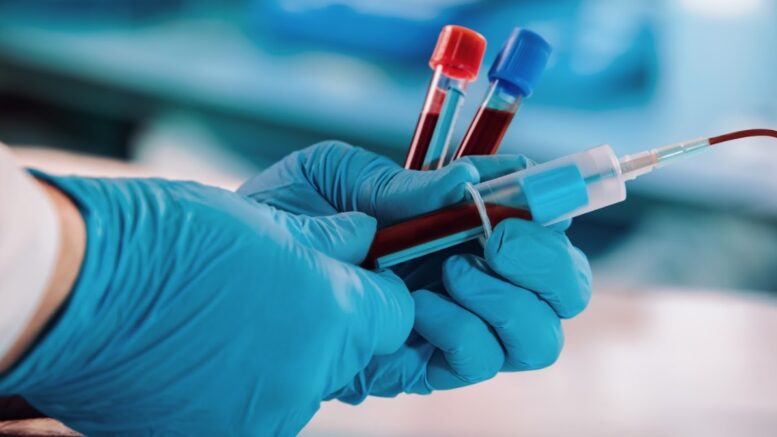
Plasma, the yellowish liquid component of blood, accounts for nearly 55% of its total volume and is crucial to the body’s circulatory system. It is rich in proteins, hormones, and nutrients that carry essential substances throughout the body. Medical science relies heavily on plasma for various treatments, particularly for patients suffering from clotting disorders, immune deficiencies, and severe burns. Factors such as increasing chronic illnesses and the growing elderly population further augment the need for plasma-derived therapies.
Plasma’s main components, including immunoglobulins, clotting factors, and albumin, play critical roles in immune response and the maintenance of fluid balance in the body. Conditions such as hemophilia and certain autoimmune disorders necessitate the infusion of plasma-derived therapies, allowing patients to lead healthier lives. The demand for these life-saving treatments highlights the scientific significance of plasma donation, making it an avenue for individuals to contribute significantly to medical advancements and patient care.
The Lifesaving Impact on Patients: Real-Life Stories
The impact of plasma donation transcends numbers; it is embodied in the stories of individuals whose lives have been dramatically transformed through plasma therapies. Consider the poignant tale of Sarah, a young mother diagnosed with a rare immune deficiency. After years of struggling with infections and frequent hospitalizations, she began receiving immunoglobulin therapy derived from plasma donations. The therapy bolstered her immune system and allowed her to reclaim her life, returning to her family and work.
Another compelling narrative is that of John, a patient with severe burn injuries. His recovery relied on plasma therapies and treatments that promote healing and reduce scarring. John’s story is a testament to how plasma donations save lives by enabling medical professionals to provide targeted interventions that significantly improve patient outcomes. Each donation contributes to a larger community of hope, and sharing these stories can encourage new donors to step forward.
Addressing Common Myths: What You Need to Know
Despite the clear benefits of plasma donation, numerous myths and misconceptions obscure the truth and deter potential donors. One prevalent myth is the belief that donating plasma is akin to giving blood and that it is inherently dangerous or painful. In reality, the donation process is safe and generally far less traumatic than many might think. The body quickly replenishes the plasma that is donated, and the entire procedure is designed to prioritize the donor’s safety and comfort.
Another misconception revolves around the financial compensation associated with plasma donation. While some fear that compensation undermines altruism, it actually serves as an incentive for individuals to donate regularly. This influx of donors is crucial, as regular plasma donations are in constant demand to support treatment regimens for numerous patients. Education about these myths is essential in helping others understand the genuine need for plasma and the benefits of becoming a donor.
Finding Your Local Plasma Donation Center: Tips and Tricks
Navigating the Digital Landscape: How to Locate Trusted Centers
Finding a local plasma donation center should be a seamless endeavor, thanks to the wealth of resources available online. Websites such as the American Red Cross and Biolife Plasma Services provide interactive tools to locate nearby centers. These platforms not only list centers but also offer vital information such as hours of operation, types of qualifications for donors, and the specific services provided at each location. Leveraging search engines with queries like “plasma donation centers near me” can yield substantial results, allowing you to explore options based on distance and services available.
Social media platforms also serve as valuable resources. Local community groups often discuss their experiences with plasma donation centers, sharing which facilities provide the most positive experiences, including factors like wait times, staff professionalism, and the overall environment.
Cue the Questions: What to Ask When Choosing a Center
Once you’ve identified several potential donation centers, it’s essential to vet them thoroughly by asking pertinent questions. Inquire about their accreditation and safety protocols another critical point to ensure that you are donating at a facility that adheres to strict safety and health guidelines set forth by regulatory bodies. Pay attention to their donor screening process; reputable centers should have a rigorous but fair assessment of your health history and eligibility.
Ask about the donation experience specifically what to expect, what equipment is utilized, and how long the procedure typically takes. Additionally, inquire about how they handle adverse reactions during or after donation. Understanding these aspects enables you to make an informed decision about where to donate your plasma.
Understanding Center Ratings and Reviews: Making Informed Choices
Reviews and ratings serve as powerful indicators of a plasma donation center’s quality and reliability. Today, many online platforms feature ratings from previous donors, offering insights into the experiences they had at various centers. Websites such as Yelp, Google Reviews, and dedicated blood donation community forums are excellent places to start your research. Look for recurring themes in reviews whether patients appreciate the staff’s professionalism or express concerns about cleanliness can inform your decision-making process.
Additionally, feedback regarding the donation experience, wait times, and compensation practices can set your expectations. Remember, a higher rating from previous donors often suggests a center that prioritizes donor satisfaction and safety, enhancing your overall donation experience.
The Donation Process: What to Expect From Start to Finish
Pre-Donation Preparation: Best Practices for Donors
Preparing for a plasma donation is crucial to ensure the safety and well-being of donors. It is recommended to hydrate well before your visit; drinking ample water helps improve circulation and plasma volume, making the donation process smoother. A nutritious meal rich in protein and iron on the day of your donation can also enhance your energy levels and optimize plasma quality.
Moreover, reviewing the eligibility requirements set by the donation center in advance is critical to avoid any inconveniences. Make sure to have valid identification, and check for any travel or health restrictions that might apply. Additionally, refrain from alcohol consumption and rigorous physical activity within 24 hours prior to your visit, as these factors can affect your blood’s condition and the overall experience.
Inside the Donation Suite: Demystifying the Experience
Upon arrival at the plasma donation center, you will typically go through a check-in process where you provide identification and may fill out some health-related paperwork. Trained professionals will guide you through the process, explaining what will occur during the donation. The donation itself typically lasts between 60-120 minutes, depending on factors such as your plasma flow rate and the center’s workload.
During the donation, a needle will be inserted into a vein in your arm, and blood will be drawn through a sterile tube and processed through a centrifuge to separate the plasma from other components. Many individuals find the sensation to be relatively mild, akin to a standard blood draw. It’s common for donors to engage in light conversation or listen to music during this period, as distraction can alleviate any anxiety about the procedure.
Post-Donation Care: Ensuring Your Well-Being
After the donation, proper post-procedure care is crucial to ensuring your comfort. You will be advised to rest for a short period and hydrate further to replace the plasma lost during donation. Plasma levels typically return to normal within a short time frame, but it’s vital to listen to your body and avoid strenuous activities for at least 24 hours following your visit.
Moreover, ensure you consume light snacks and hydrating fluids provided by the center before leaving. If you experience dizziness or discomfort, the staff is trained to address such immediate post-donation reactions. Pay attention to any unusual symptoms in the hours or days following your donation and don’t hesitate to contact the center if any issues arise.
Rewards and Incentives: Making a Meaningful Exchange for Your Generosity
The Financial Benefits: Compensation for Your Contribution
One of the key aspects of plasma donation is the financial compensation that many donation centers offer in exchange for your contribution. This compensation can vary significantly depending on location, the donation center’s policy, and even the frequency of donations. Typically, donors can expect compensation ranging from $20 to $50 per donation, with many centers providing bonus payments for frequent donations or promotional deals for first-time donors.
Understanding this compensation system is crucial, as it reflects the ongoing need for plasma and the urgency of fostering a regular stream of donations. While financial incentives can be a motivating factor, they do not diminish the altruistic nature of donating. Rather, they encourage people to participate actively, which in turn leads to a healthier supply of plasma for medical use.
Loyalty Programs and Bonuses: Maximizing Your Rewards
To further incentivize regular plasma donation, many centers have instituted loyalty programs that reward donors for recurring contributions. These programs often include bonuses for reaching specific donation milestones, such as the number of donations within a calendar year. Some centers even offer tiered rewards, where frequent donors can gain access to exclusive offers, gift cards, or bonuses on special donation days.
Participating in these loyalty programs can significantly enhance your overall experience as a donor and ensure ongoing financial benefits. Regular plasma donors not only see their compensation increase but also contribute to vital medical treatments that can save lives.
Personal Fulfillment: The Unexpected Joys of Donating Plasma
While the financial rewards of plasma donation may initially attract many individuals, the personal fulfillment derived from this act is often even more significant. Many donors describe a profound sense of satisfaction in knowing their contribution positively impacts the lives of others. The stories of patients recovering from illness or injury serve as emotional reminders of the importance of their contributions.
There’s an innate joy in being a part of something larger than oneself a feeling that can resonate deeply within the hearts of donors. Volunteering time and effort to aid fellow human beings can instill a renewed sense of purpose and community connection. As more individuals engage in plasma donation, the uplifting cycle of giving and receiving health continues, further enhancing society’s welfare.