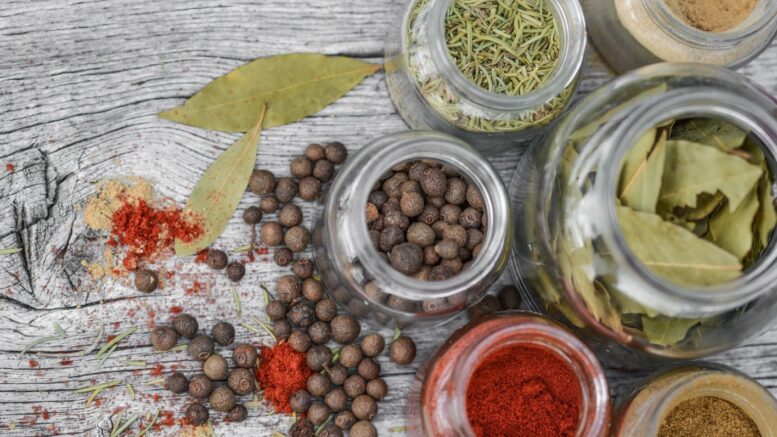
Most people today take herbs in capsules and call it a day. But in Ayurveda, how you take an herb is just as important as the herb itself.
The Ayurveda medium used to deliver an herb—whether water, milk, honey, oil, or ghee—directs how that herb behaves in the body. This carrier (known traditionally as an anupana) influences absorption, tissue targeting, digestive impact, and overall balance. When matched correctly to your body type, it can enhance effectiveness and reduce unwanted effects.
If you’re unsure of your body type, start with an ayurveda body type test before experimenting. Once you understand your constitution, these delivery methods can easily become part of your daily Ayurveda home remedies routine.
Below are the five classical herbal mediums—each paired with a familiar modern herb and the body type it best supports.
1. Water: Light, Cleansing, and Ideal for Heat-Prone Types
Water is the simplest and most neutral carrier. It’s ideal when the goal is clarity, cleansing, and light digestion.
Room-temperature or slightly cool water tends to calm internal heat, making it particularly supportive for Pitta types, who often run warm and can be prone to inflammation or irritability. Warm water, on the other hand, helps gently stimulate digestion, which may benefit Kapha types who experience sluggishness.
Herb Example: Tulsi (Holy Basil)
Tulsi is widely consumed today as a tea. Taken as a simple infusion in water, it offers respiratory and immune support without heaviness. For Pitta types, a mild brew works best. Kapha types may prefer it warm to promote circulation and movement. Vata types should avoid overly strong or drying preparations and stick to warm infusions.
Water delivery keeps herbs light and direct—ideal when you want clarity without nourishment or heaviness.
2. Milk: Nourishing and Grounding for Vata
Milk is considered building and restorative as an Ayurveda medium. It carries herbs deeply into tissues and is traditionally used when the nervous system needs support.
This makes milk particularly suitable for Vata types, who tend toward dryness, anxiety, light sleep, and coldness. Warm milk enhances the grounding effect and supports relaxation. Pitta types can also benefit from milk when it’s not overheated or spiced aggressively. Kapha types, however, may find milk too heavy unless digestion is strong.
Herb Example: Ashwagandha
Ashwagandha is commonly taken in capsule form today, but traditionally it’s stirred into warm milk. This combination enhances its nourishing and calming qualities. For Vata types especially, taking ashwagandha in milk before bed supports rest, strength, and resilience.
Milk acts as a vehicle for rebuilding and stabilizing—ideal when depletion is present.
3. Honey: Stimulating and Best for Kapha
Honey is an unique Ayurveda medium. It’s heating, scraping, and penetrating. It helps carry herbs into deeper channels while reducing excess mucus and stagnation.
Because of these qualities, honey is especially supportive for Kapha types, who may struggle with congestion, heaviness, or slow metabolism. It should never be heated, as this alters its properties.
Pitta body types should use honey cautiously due to its warming effect, and Vata types may combine it with other moistening substances if dryness is present.
Herb Example: Turmeric
Turmeric is often consumed in capsules, but mixing turmeric powder with raw honey creates a paste traditionally used for respiratory and immune support. For Kapha individuals, this combination enhances circulation and clears stagnation.
Honey acts as a catalyst—stimulating and mobilizing what feels stuck.
4. Oils: Lubricating and Soothing for Dry Systems
Oils are deeply moisturizing and are used both internally (in small amounts) and externally. They calm dryness and support nervous system balance.
This makes oil-based herbal delivery ideal for Vata types, whose qualities are dry, light, and mobile. Oils help counteract those tendencies. Pitta types should choose cooling oils, while Kapha types should use oils sparingly.
Herb Example: Brahmi (Bacopa)
Brahmi is commonly taken for cognitive clarity. In Ayurvedic tradition, it’s often infused into oil, especially for external scalp application. This oil-based approach supports calm focus and reduces mental overstimulation, particularly helpful for Vata types.
Oil delivery nourishes and stabilizes—bringing softness where there is excess movement.
5. Ghee: Deeply Absorbing and Tridoshic When Used Properly
Ghee (clarified butter) holds a special place in Ayurveda. It enhances absorption, carries herbs into deeper tissues, and supports digestion when used in moderate amounts.
Unlike heavier dairy, ghee is considered easier to digest. It can benefit all three doshas when used appropriately, though it is particularly supportive for Pitta (cooling and soothing) and Vata (nourishing and grounding). Kapha types should use it more sparingly.
Herb Example: Triphala
Triphala is widely taken for digestive balance. When mixed with a small amount of ghee, it becomes more nourishing and less drying—helpful for Vata and Pitta types who need digestive support without irritation.
Ghee acts as a sophisticated carrier—enhancing delivery while maintaining balance.
Why the Medium Changes the Outcome
Taking turmeric in honey is different from taking it in milk. Ashwagandha in warm milk behaves differently than in water. The medium shifts the herb’s energetic direction.
This is why Ayurveda never isolates a plant from its context. Delivery method, body type, season, and digestive strength all matter.
If you’re incorporating herbs into your wellness routine, don’t overlook the carrier. A simple adjustment—like switching from capsules to a more intentional preparation—can transform the experience. When the right herb meets the right medium for your body type, balance becomes much easier to achieve. Explore how to properly prepare home remedies with our online Ayurveda courses.