Physical recovery is often treated as something that happens automatically once exercise, work, or treatment ends. People may assume that taking a day off is enough for the body to restore itself. In reality, recovery is an active biological process influenced by sleep quality, stress levels, nutrition, movement, age, health conditions, and the type of physical strain involved.
These factors do not operate separately. Poor sleep can make stress feel more intense, while ongoing stress may interfere with sleep. Too little movement can contribute to stiffness, but pushing through pain or fatigue may also delay recovery. Understanding how these elements interact can help people make more informed decisions about their health.
Recovery options should always reflect the individual’s condition, symptoms, and medical history. Patients and practitioners exploring additional noninvasive support may also consider whether a spinal decompression device is appropriate within a broader plan that includes assessment, suitable exercise, rest, and professional guidance. No single device or technique should replace an individualized approach to care.
Physical Recovery Is More Than Rest
Rest is important, but it is only one part of recovery. The body must repair stressed tissues, restore energy, regulate inflammation, and adapt to the demands that caused the strain. These processes continue long after a workout, physically demanding shift, injury, or therapy session has ended.
Recovery also involves the nervous system. Muscles may remain tense when the brain continues to perceive stress or threat. A person can be physically inactive while still struggling to recover because they are sleeping poorly, feeling anxious, or remaining in a prolonged state of alertness.
This helps explain why two people can experience the same physical activity but recover at very different rates. Training history, emotional stress, sleep, nutrition, medications, underlying conditions, and daily habits can all affect the response.
Sleep Creates the Conditions for Repair
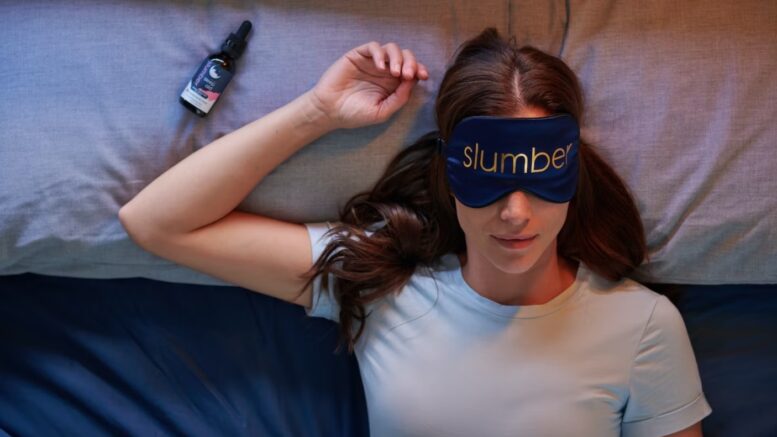
Sleep is one of the most important parts of physical recovery. During sleep, the body performs many functions related to tissue maintenance, immune activity, energy regulation, and healthy brain function.
The National Heart, Lung, and Blood Institute explains that sleep supports both physical health and healthy brain function. When sleep is consistently shortened or interrupted, the body has less opportunity to complete these restorative processes.
Poor sleep may also change how discomfort is experienced. A person who is sleep-deprived may feel more sensitive to soreness and less motivated to move. Coordination, reaction time, judgment, and exercise performance may also decline, increasing the chance of another strain or injury.
Sleep quality matters alongside duration. Spending eight hours in bed does not guarantee restorative sleep if a person wakes frequently, struggles to breathe, or follows an inconsistent schedule.
Practical habits that may support better sleep include:
- Keeping a relatively consistent bedtime and wake time
- Making the bedroom dark, quiet, and comfortably cool
- Reducing bright screen exposure before bed
- Avoiding heavy meals and excessive alcohol late at night
- Limiting caffeine during the afternoon and evening
- Creating a short wind-down routine
Persistent snoring, pauses in breathing, severe daytime sleepiness, or ongoing insomnia should be discussed with a healthcare professional.
Stress Can Keep the Body in a State of Tension
Stress is not purely emotional. It produces measurable physical responses. Heart rate may increase, breathing may become shallower, and muscles may tighten. These reactions are useful during an immediate threat, but they can become exhausting when they continue throughout the day.
Someone under ongoing stress may unknowingly hold tension in the jaw, neck, shoulders, abdomen, or lower back. This can make it difficult to distinguish between discomfort caused by physical activity and discomfort maintained by muscle guarding.
Stress can also affect behavior. A stressed person may sleep less, skip meals, rely heavily on caffeine, avoid exercise, or exercise too intensely as a coping strategy. Each of these choices can influence recovery.
Meds News has previously explored the close connection between physical and mental health, including how stress, sleep, pain, and movement can affect one another. Recognizing this relationship does not mean physical symptoms are imaginary. It means the body’s recovery environment includes both physical and psychological factors.
Simple stress-management practices may help support recovery. Slow breathing, quiet walks, progressive muscle relaxation, time outdoors, and reducing unnecessary digital stimulation can provide the nervous system with opportunities to settle.
When stress becomes persistent or begins interfering with sleep, relationships, appetite, work, or daily functioning, professional mental health support may be appropriate.
Daily Movement Helps Prevent Recovery From Becoming Inactivity
Resting an injured or irritated area may be necessary, especially during the early stages of recovery. However, complete inactivity is not always the best long-term approach. Extended periods of sitting or lying down can contribute to stiffness, reduced confidence in movement, and gradual loss of strength.
Gentle movement supports circulation and helps joints and muscles move through comfortable ranges. Walking, light mobility exercises, and position changes may help a person feel less stiff without placing the body under heavy demand.
The appropriate amount of movement depends on the situation. A healthy adult recovering from an intense workout has different needs from someone recovering after surgery or managing a chronic condition. Medical instructions should take priority when a doctor or physical therapist has prescribed restrictions.
A useful approach is to monitor how the body responds during activity and afterward. Mild effort or temporary muscle fatigue may be expected. Sharp pain, increasing weakness, numbness, loss of balance, or symptoms that continue worsening should not be ignored.
Too Much Movement Can Also Slow Progress
More activity is not always better. People who are eager to return to work, sport, or exercise may increase intensity before their body is ready. This can create a cycle of overexertion, increased discomfort, forced rest, and another premature return.
Recovery often works better when activity increases gradually. Instead of testing the body with one demanding session, build tolerance through manageable and repeatable movement.
This may involve reducing exercise duration, lowering resistance, taking longer breaks, or alternating more demanding days with lighter ones. Tracking symptoms and energy levels can make patterns easier to recognize.
Rest days should not be viewed as lost progress. They are part of the training and recovery process. The goal is to apply enough physical demand to encourage adaptation without repeatedly exceeding the body’s current capacity.
Sleep, Stress, and Movement Influence One Another
These three factors form a continuous loop.
Poor sleep can reduce energy and make movement feel more difficult. Less movement may then contribute to restlessness or make it harder to sleep the following night. At the same time, stress can disrupt sleep and increase muscle tension, which may make exercise feel uncomfortable.
The loop can also work in a positive direction. Appropriate daytime movement may support better sleep. Improved sleep can increase energy and emotional resilience. Lower stress levels may reduce unnecessary tension and make movement feel safer and more manageable.
This is why recovery plans that focus on only one factor may produce limited results. Stretching alone may not resolve discomfort if someone is sleeping four hours per night. Extra sleep may not be enough if the person remains completely inactive for days. Exercise may become counterproductive if stress and fatigue are already overwhelming the body.
Build a Routine That Supports Recovery
A useful recovery routine does not need to be complicated. Consistency usually matters more than creating a demanding schedule that is difficult to maintain.
Begin with a few simple actions:
- Keep sleep and wake times reasonably consistent.
- Include gentle movement during the day.
- Eat regular meals that provide enough protein and overall energy.
- Drink water throughout the day.
- Use short relaxation practices when tension begins building.
- Adjust activity based on symptoms and professional advice.
Morning habits can also influence how the body feels later in the day. Oh Your Health’s guide to building a healthy morning routine explains how hydration, natural light, gentle movement, nutrition, and mental preparation can create a steadier start.
Avoid changing everything at once. If sleep is the biggest problem, begin there. If long periods of sitting are contributing to stiffness, introduce brief movement breaks. Small changes are easier to evaluate and maintain.
Know When Recovery Needs Medical Attention
Most ordinary muscle soreness improves over time. However, some symptoms require professional assessment rather than additional rest or self-directed exercise.
Seek medical advice if discomfort is severe, persists without improvement, follows a significant injury, or interferes with normal daily activities. Prompt evaluation is especially important when symptoms include numbness, progressive weakness, loss of coordination, changes in bladder or bowel control, chest pain, difficulty breathing, fever, or unexplained weight loss.
A qualified healthcare professional can identify whether symptoms are related to muscle strain, joint irritation, nerve involvement, medication effects, an underlying health condition, or another cause. This information allows the recovery plan to be adjusted safely.
A More Complete Approach to Recovery
Physical recovery is not controlled by one perfect stretch, treatment, supplement, or night of sleep. It develops through the interaction of many everyday behaviors.
Sleep gives the body time to restore itself. Stress management reduces the burden created by prolonged tension and poor sleep. Appropriate movement helps maintain strength, circulation, mobility, and confidence. When these factors work together, the body has a more supportive environment for recovery.
The most effective approach is usually realistic, gradual, and responsive. Pay attention to patterns, respect warning signs, and seek professional guidance when symptoms are persistent or unclear. Recovery is not simply the absence of activity. It is the process of helping the body regain the capacity to move, function, and adapt safely.