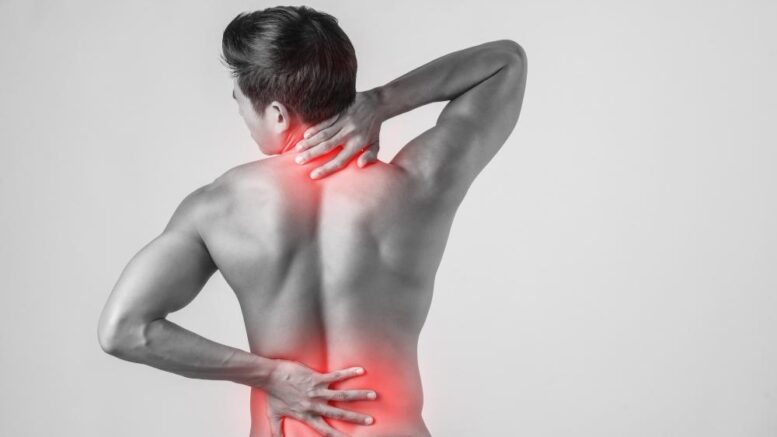
Living with chronic pain while in recovery can feel like a constant struggle. Pain doesn’t simply disappear when substance use stops. At the same time, returning to opioids can put your recovery—and your health—at serious risk.
The good news is that chronic pain can be managed without opioids. Today, effective treatment focuses on the whole person—body, mind, and nervous system—helping reduce pain while supporting long-term recovery.
This guide explores safe, evidence-based alternatives to opioids for managing chronic pain during recovery.
Why Opioids Are Risky in Recovery
Opioids are powerful pain relievers, but they carry significant risks—especially for people with a history of substance use.
Research from the National Institute on Drug Abuse (NIDA) shows:
- Long-term opioid use increases the risk of dependence
- Even prescribed opioids can trigger relapse
- Tolerance builds quickly, requiring higher doses
The CDC also reports that opioids are involved in the majority of overdose deaths in the U.S., highlighting the need for safer pain management options.
For individuals in recovery, pain treatment must support healing—not threaten it.
Chronic Pain Is More Than Physical
Chronic pain is not just a physical issue. It is influenced by multiple factors, including:
- The nervous system
- Stress and trauma
- Emotional health
- Sleep patterns
- Physical activity and conditioning
About 1 in 5 adults in the U.S. live with chronic pain, and many also experience anxiety or depression.
This is why opioid-only treatment often falls short—it addresses symptoms, not the full experience of pain.
A Recovery-Safe Approach to Pain Management
Managing pain in recovery means shifting the focus from quick relief to long-term stability.
A recovery-safe approach aims to:
- Reduce pain without addictive substances
- Improve daily function and quality of life
- Calm the nervous system
- Address emotional and trauma-related factors
According to SAMHSA, integrated, non-drug approaches lead to better outcomes for individuals with both chronic pain and substance use histories.
Evidence-Based Alternatives to Opioids
1. Cognitive Behavioral Therapy (CBT)
CBT helps people understand how thoughts, emotions, and behaviors influence pain.
It can:
- Reduce pain-related distress
- Improve coping skills
- Decrease reliance on medication
The American Psychological Association recognizes CBT as one of the most effective non-drug treatments for chronic pain.
2. Trauma-Informed Therapy
For many individuals, chronic pain is connected to unresolved trauma. Trauma can keep the body in a constant state of tension, increasing sensitivity to pain.
Trauma-informed therapy focuses on:
- Creating safety and trust
- Regulating the nervous system
- Building emotional coping skills
This approach helps reduce stress-related pain flare-ups while supporting recovery.
3. Mindfulness and Meditation
Mindfulness teaches people to experience pain without fear or resistance.
Benefits include:
- Reduced pain intensity
- Better emotional regulation
- Lower stress and muscle tension
Research published in JAMA Internal Medicine shows mindfulness-based practices can significantly improve chronic pain and quality of life.
4. Physical Therapy and Movement
Movement is one of the most effective long-term solutions for chronic pain.
Options include:
- Physical therapy
- Stretching and mobility work
- Yoga or low-impact exercise
These approaches:
- Improve strength and flexibility
- Reduce stiffness and inflammation
- Boost natural pain-relieving chemicals in the brain
They also help rebuild trust in your body—an important part of recovery.
5. Non-Opioid Medications
When appropriate, non-opioid medications can help manage pain safely under medical supervision.
These may include:
- Certain antidepressants for nerve pain
- Anti-inflammatory medications
- Topical treatments
Medication works best when combined with therapy and lifestyle changes—not used alone.
6. Stress Reduction and Nervous System Regulation
Chronic stress can intensify pain. Learning to calm the nervous system is a key part of recovery-focused pain management.
Helpful techniques include:
- Deep breathing exercises
- Progressive muscle relaxation
- Biofeedback
The National Institutes of Health (NIH) reports that stress-reduction practices can significantly improve pain and daily functioning.
7. Group Therapy and Peer Support
Chronic pain can feel isolating. Support from others can make a meaningful difference.
Group therapy helps individuals:
- Share experiences
- Learn practical coping strategies
- Reduce feelings of isolation
Research shows that integrated group therapy improves outcomes for people with both chronic pain and substance use disorders.
Treating Pain and Recovery Together
Managing pain in recovery doesn’t mean ignoring it—it means addressing it in a safer, more effective way.
Integrated care programs:
- Treat chronic pain and addiction together
- Provide coordinated medical and emotional support
- Focus on long-term stability
According to NIDA, individuals who receive integrated care are more likely to maintain recovery than those relying on medication alone.
What Recovery-Focused Pain Management Looks Like
Healing takes time, but progress is possible.
With the right approach, many people experience:
- Fewer and less intense pain flare-ups
- Improved sleep
- Better emotional balance
- Increased confidence in daily life
Pain may not disappear completely—but it becomes manageable.
A Compassionate Path Forward
Chronic pain is real. Recovery is real. And you don’t have to choose between them.
With the right support, it’s possible to manage pain safely—without opioids—and continue building a strong, stable recovery.
Healing happens when care addresses the whole person.
You deserve relief. You deserve recovery. And you can have both.