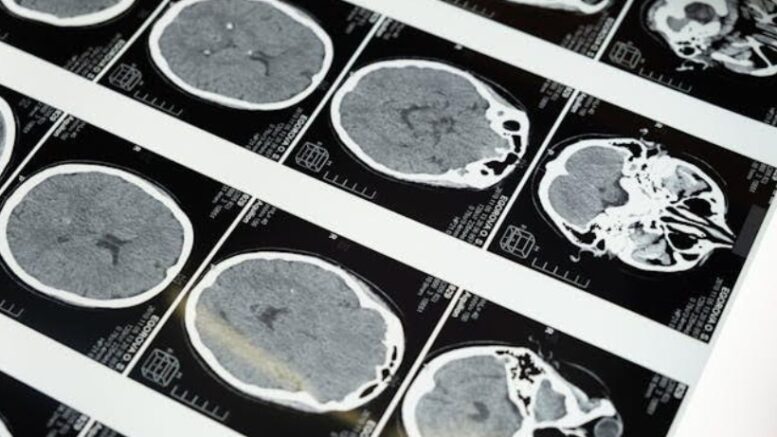
Recovery after a brain injury is often complex and highly individual, requiring a deeper understanding of how the brain adapts and heals over time. Many patients are introduced to the concept of neuroplasticity when they begin working with a functional neurologist. Neuroplasticity explains how the brain can reorganize itself, form new connections, and regain lost abilities through targeted support and consistent effort.
Understanding Neuroplasticity and Brain Injury
Neuroplasticity refers to the brain’s natural ability to change its structure and function in response to experience, injury, or learning. After a brain injury, areas that once performed specific tasks may no longer function effectively, forcing the brain to adapt. This adaptability allows undamaged regions to take on new roles and compensate for lost function over time.
Brain injuries disrupt communication pathways, affecting movement, speech, memory, and emotional regulation. Neuroplastic changes occur when the brain repeatedly practices new patterns of activity, strengthening alternative neural pathways. These changes are not instantaneous, but they form the biological foundation for meaningful recovery.
How Neuroplasticity Supports Functional Recovery
Functional recovery after brain injury relies on repetition and purposeful engagement in activities that challenge the nervous system. Each time a task is practiced, the brain receives signals that reinforce new neural connections. Over time, these reinforced pathways become more efficient and reliable, supporting improvements in daily function.
Neuroplasticity also explains why progress may appear uneven during recovery. The brain adapts at different rates depending on injury severity, overall health, and consistency of rehabilitation efforts. Understanding this process helps patients and caregivers set realistic expectations while staying committed to long-term recovery goals.
Therapies That Encourage Neuroplastic Change
Rehabilitation therapies are designed to stimulate neuroplasticity by encouraging the brain to relearn lost skills. Physical therapy, cognitive exercises, and sensory-based interventions all rely on repeated stimulation to activate adaptive brain responses. These approaches aim to challenge the brain without overwhelming it, creating an environment that supports growth.
Consistency plays a critical role in driving neuroplastic change. Short, regular therapy sessions are often more effective than infrequent, intensive efforts. When therapies are aligned with how the brain learns best, they help promote lasting improvements rather than temporary gains.
The Role of Lifestyle in Supporting Brain Adaptation
Lifestyle factors significantly influence the brain’s capacity for neuroplastic change after injury. Sleep, nutrition, and stress management all affect how well the brain forms and maintains new neural connections. Poor sleep or chronic stress can slow recovery by limiting the brain’s ability to adapt.
Engaging in mentally stimulating and physically active routines also supports neuroplasticity. Activities that require coordination, problem-solving, or focused attention encourage the brain to remain adaptable. Over time, these habits reinforce the progress made through formal rehabilitation.
Long Term Potential and Ongoing Adaptation
Neuroplasticity does not stop once formal rehabilitation ends. The brain continues to adapt throughout life, meaning recovery can extend well beyond the early stages after injury. This long-term potential allows individuals to continue improving with sustained effort and appropriate guidance, while also addressing related challenges such as joint pain relief during long-term recovery.
Ongoing adaptation highlights the importance of a personalized approach to care. What works for one person may not work for another, depending on the nature of the injury and individual health factors. A flexible recovery plan that evolves over time supports continued progress and functional independence.
Conclusion
Neuroplasticity plays a central role in recovery after brain injury by enabling the brain to reorganize and adapt in response to damage. Through targeted therapies, supportive lifestyle choices, and consistent engagement, patients can harness this natural ability to regain lost function and improve quality of life. Understanding neuroplasticity provides both a scientific foundation and a source of optimism for those navigating the long path of neurological recovery.